




Enviro organisations respond to EU fund
Environmental organisations have been issuing their responses to the European Commission’s proposal for a new European Maritime and Fisheries Fund (EMFF).
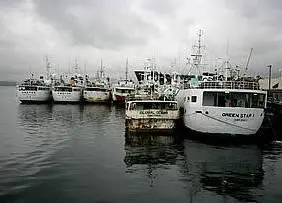
Greenpeace said that the new plan has “failed to deliver a vital shift to support low-impact fishermen”.
It said that earlier drafts of the plan had promised a new approach that could have ended decades of subsidies for large industrial operators, including those guilty of illegal or destructive fishing. However, the proposal has lost much of its emphasis supporting a transition towards sustainable fishing and little funding has been set aside for enforcement of EU fishing rules and scientific assessments.
Greenpeace EU fisheries policy director Saskia Richartz said: “Many European governments have been using subsidies to fund a bloated and destructive fleet. This plan will not put an end to these practices. Taxpayers’ money should not be used to subsidise the private profits of an industry that is fishing itself out of business. The European Parliament and those countries who want to end overfishing should ensure that fishermen who plunder recklessly are penalised and only those who fish sustainably are rewarded.”
Oceana said it recognises the positive steps that the Commission has taken by removing the worst fleet capacity enhancing subsidies, such as those used for vessel modernisation, but is concerned that other subsidies that allow capacity increase are still allowed. Oceana is calling on EU Member States to remove all such subsidies from the EMFF.
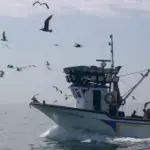
“Europe’s oversized fleet – estimated to be two to three times too big – has been built and maintained with enormous amounts of subsidies,” said Anne Schroeer, economist at Oceana Europe. “The Commission proposal has thankfully removed some subsidies that allow further fleet growth, like those dedicated to modernisation – they seem to have understood that an oversized fleet leads to fishermen taking losses, and disadvantages consumers and the environment.”
WWF is critical that the EMFF will fail to stimulate sustainable and resource efficient fisheries management.
Louize Hill, Head of Marine & Fisheries at WWF’s European Policy commented: “After the poor performance of the EFF, subsidies are only justifiable if they help to end overfishing and stimulate the sustainable management of fisheries. In order to save jobs in the fisheries sector and make them profitable, we first need to restore and properly manage fish stocks and the environment on which they depend. Unfortunately, the EMFF proposal lacks the ambition to help transform Europe’s fisheries management and lay a solid basis for healthy and profitable fisheries in the future.
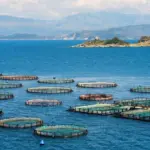
“While we welcome the removal of harmful subsidies that increase fishing capacity of the fleet, WWF is concerned about proposed allocations for modernisation of equipment and aquaculture. Strict safeguards are needed to prevent these funds supporting oversized fleets or harming the environment.”
Markus Knigge, adviser to the Pew Environment Group’s European Marine Programme and the OCEAN2012 coalition, issued a statement saying that a recent Commission report showed that many member states do not assess the capacity of their fishing fleets, confirming that EU funds are being “spent blindly”.
“Between 2000 and 2008, for example, the EU provided €33.5 million in financial aid for the modernisation of bluefin tuna fishing vessels, which target a species that is so overfished, it is classified as endangered by the International Union for Conservation of Nature.
“With an economic crisis spreading throughout the EU, the public cannot afford blind and counterproductive spending of EU fisheries subsidies. Future assistance should support the delivery of a healthy marine environment and a transition to sustainable fisheries.”
Related Articles
 FISHERIES
 FISHERIES
 WORLD FISHING EVENTS