






EMS solution unveiled
A rapid diagnostic test has been developed by the University of Arizona (UA) to identify early mortality syndrome (EMS) in shrimp – an ever increasing problem in Thailand, China and Vietnam.
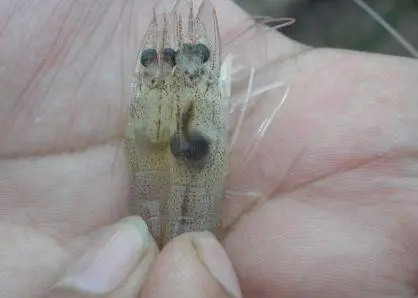
With production in the world’s three largest shrimp producing countries down by almost 50% from last year, the test comes at a vital time for commercial shrimp farms.
“In commercialising this technology, we’re creating the pathways to get it out to the people who need it as quickly and efficiently as possible,” said Doug Hockstad, director, Tech Transfer Arizona, part of the University’s technology commercialisation office.
The test was developed by Don Lightner in the School of Animal and Comparative Biomedical Sciences at the UA College of Agriculture and Life Sciences.
Mr Lightner designed the test to detect the genetic differences between the pathogenic and non-pathogenic versions of the common marine bacterium which causes the disease.
The UA says this method will enable specific detection of affected shrimp, currently only identified through the use of histology, which can be time consuming and expensive.
It is thought the rapid polymerase chain reaction test will be the first of its kind on the market.
The UA has entered into a licensing agreement with GeneReach Biotechnology Corporation to commercialise the solution and make it available worldwide.
The products are expected to be launched early this year.
Related Articles
 FISHERIES
 FISHERIES
 WORLD FISHING EVENTS