





Electric pulse fishing debate heats up
Europêche have criticised campaigners against electric pulse fishing ahead of a European Parliament vote on 16 January.
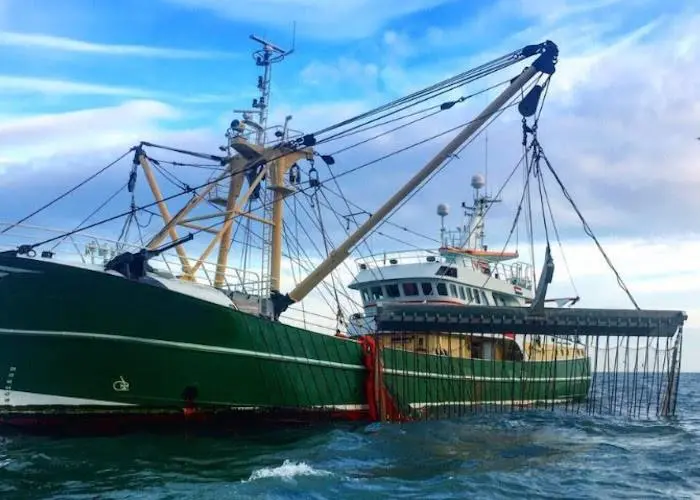
Pressure groups say the electric currents used to capture flatfish, in particular sole, have a disastrous impact on marine habitats and any species caught by the currents, but Europêche said that this lobbying “demonises” an “innovative” fishing method.
Javier Garat, president of Europêche, declared: “We reiterate that there are no good or bad fishing gears, it all depends on their use. It is frustrating that after so much time and work with scientists to find a way to reduce the impact of fishing gears, when the system is finally developed, some just try to demonize it.”
More research planned
In November, the European Parliament’s fisheries committee agreed to allow the STECF (Scientific, Technical and Economic Committee for Fisheries) to assess electrical pulse trawls. The plenary vote will determine whether this will go ahead and Europêche stressed that doing so will allow innovation and the development of new sustainable fishing techniques.
Research on electric pulse fishing is ongoing but, Europêche pointed out that the catch of non-targeted species has been reduced by 50% and the fuel consumption of vessels used by 46%. The gear used also has a lighter impact on the sea bed, reducing the area swept by 20%.
UK, Holland and Germany currently have electric pulse fishing licenses, for use in certain areas of the North Sea.
Javier Garat concluded: “Blanket bans are never the answer and have catastrophic consequences for the sector, particularly in the context of the landing obligation which forces EU vessels to be even more efficient and selective.
“EU legislation must be flexible enough to enable progress towards innovative fishing gears.”
Related Articles
 FISHERIES
 FISHERIES
 WORLD FISHING EVENTS