




EJF launches ghost gear project in Thailand
The Net Free Seas project, run by the Environmental Justice Foundation (EJF) and funded by the Norwegian Retailers’ Environment Fun, is aiming to rid Thailand’s waters of discarded fishing nets.
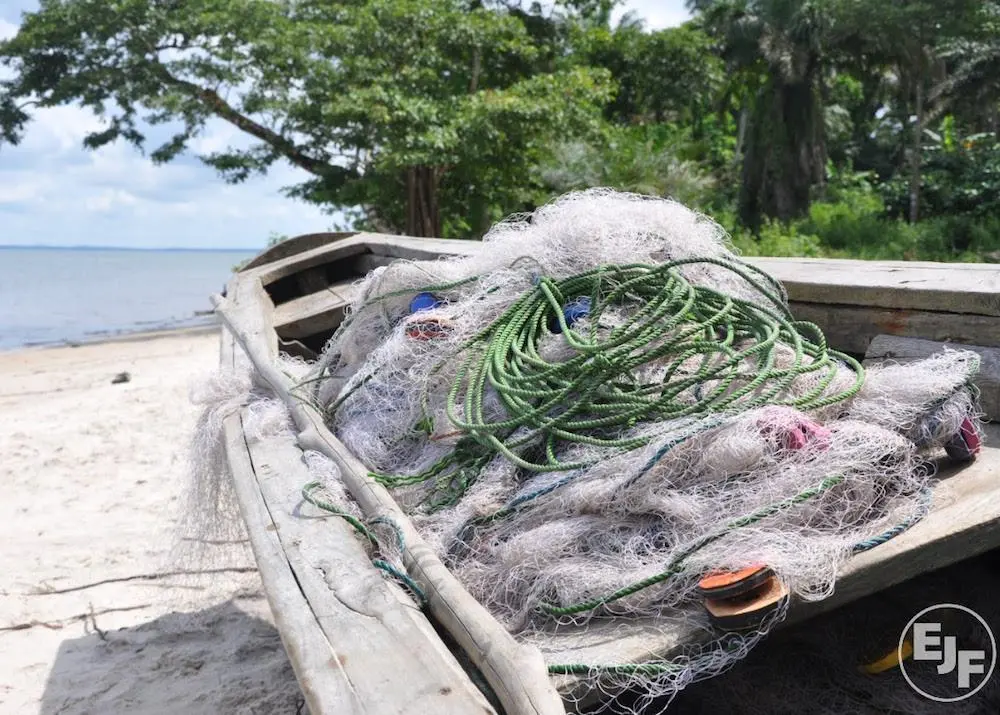
Coastal communities will collect discarded nets – known as ghost gear – which will be sent to make a variety of goods, such as sports and kitchen equipment, helping protect ocean wildlife and support local communities at the same time.
At least 640,000 tonnes of gear are estimated to be left in the seas every year. As well as damaging marine environments, ghost gear can impact livelihoods. For instance, in the Baltic Sea, a single lost gillnet can destroy US$20,000 worth of seafood.
“The damage that ghost nets inflict every year is vast, as these nets continue to catch and kill marine wildlife,” said EJF’s executive director, Steve Trent. “This project will empower coastal communities to clean their own seas of these floating death traps. This will provide crucial protection to ocean wildlife while at the same time giving much-needed economic support to local fishing communities.”
The discarded nets are cleaned and sent for recycling into useful products such as a keychain attachment to help people minimise touching surfaces during the COVID-19 pandemic and visors to prevent infection.
Funding from the Norwegian Retailers’ Environment Fund has paid for a project coordinator who will engage with communities and provide training to fishers. The initial funding will allow the project to run for the first year, and the team is hoping to get ten communities on board.
Related Articles
 FISHERIES
 FISHERIES
 WORLD FISHING EVENTS