




EFSA assesses norovirus in oysters
The European Food Safety Authority’s Panel on Biological Hazards (BIOHAZ Panel) has completed a risk assessment on norovirus in oysters.
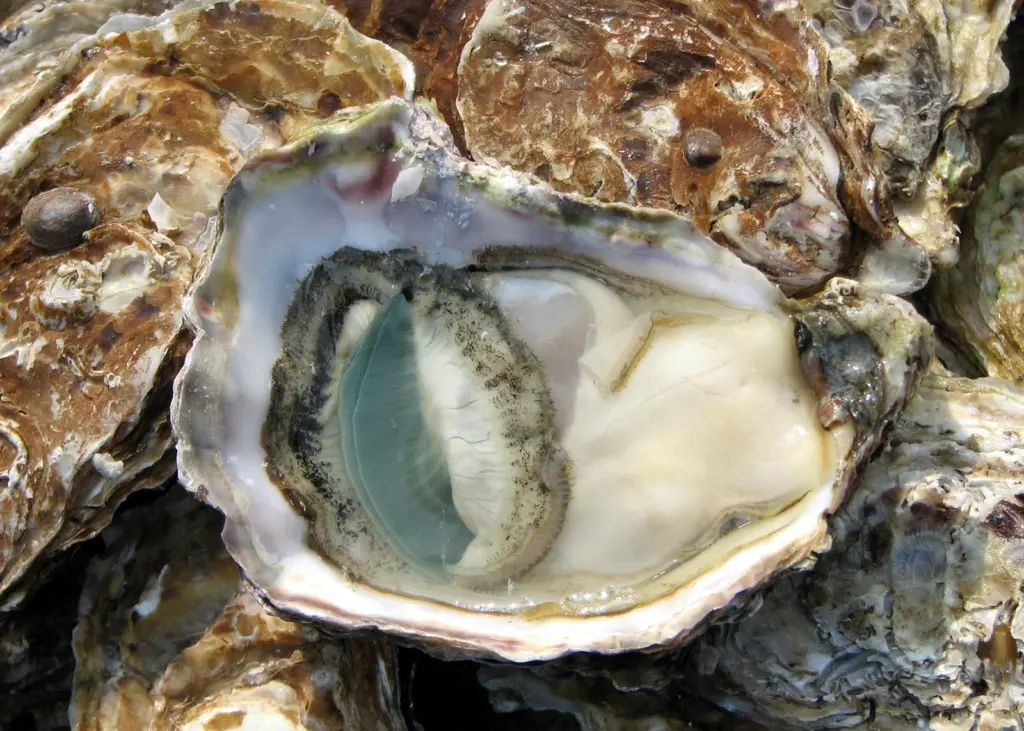
The assessment concludes that the most effective measures to protect consumers from exposure to norovirus in oysters are to produce oysters in areas which are not contaminated or to prevent contamination of mollusc production areas.
The study found that current methods used to remove norovirus in shellfish are not an effective means of reducing contamination. The Panel recommends establishing acceptable limits for the presence of virus in oysters that are harvested and placed on the market in the European Union. In addition, an EU-wide baseline survey on norovirus in oysters should be carried out to provide information on overall consumer exposure as well as the public health impact of control measures.
Norovirus, sometimes referred to as the ‘winter vomiting bug’, is a major cause of acute gastroenteritis in Europe often causing diarrhoea and vomiting. The virus is transmitted through the consumption of food or water contaminated with faecal matter or more often through person-to-person contact or contact with infected surfaces. Bivalve molluscs such as oysters and scallops are a well documented source of infection as they can accumulate and concentrate virus particles. Oysters contaminated with norovirus pose a particular risk to human health as they are often consumed raw.
EFSA evaluated the detection methods and control options for norovirus in oysters. The assessment looked at the use of a technique (the PCR method) already applied to other shellfish for the detection and quantification of norovirus in oysters, the possibility of defining a level at which the presence of the virus in oysters would be unlikely to pose a risk to consumers and possible post-harvest control options. The Panel considers that the PCR method is suitable for detection and quantification of norovirus in oysters provided that appropriate quality assurance measures are implemented.
According to the Panel, methods currently used to remove norovirus in shellfish should be improved. The Panel recommends that measures to reduce norovirus in oysters should focus on preventing initial contamination of production areas, rather than attempting to remove the virus from contaminated foods.
Related Articles
 FISHERIES
 FISHERIES
 WORLD FISHING EVENTS