





EFF grant for shark and ray research
A grant from the European Fisheries Fund (EFF) of almost £200,000 is helping to empower commercial fishermen to research the inshore shark and ray fisheries of the southern North Sea (ICES division IVc).
This work aims to provide data and information on bycatch, discarding and stock status, to better inform policy decisions.
The funding has been used towards establishing a research partnership between inshore fishermen from East Anglia and Kent with scientists from the Centre for Environment, Fisheries and Aquaculture Science (Cefas), which aims to support more sustainable shark and ray fisheries.
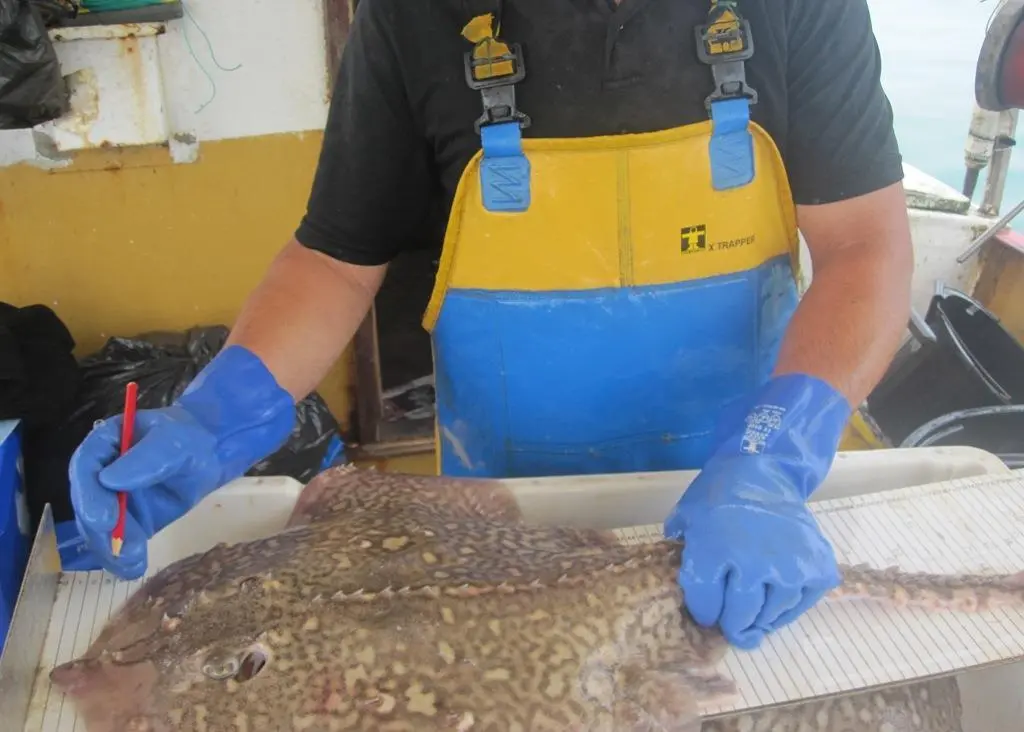
Fishermen are playing an instrumental role in the research programme, Shark By-Watch UK incorporates workshops to share and develop knowledge, tagging and sampling of shark and ray species plus a scheme to share experience and information.
Through start-up workshops, which took place in spring 2012, the fishing industry was able to voice the important issues to them, which have become the foundation of this research programme. The fishermen chose to look at the current status of Thames Estuary thornback ray – lost and forgotten shark and ray fisheries off the East Anglian coast – and also to demonstrate the sustainable approach of the traditional fishing method of longshoring.
Following a tender process, seven under-10m fishing vessels from across East Anglia and Kent have been employed to implement fishermen-lead surveys. This involves a co-operative tagging programme, where fishermen are trained to tag sharks and rays, which will be returned to the sea.
Future activity will also include a trial of by-watch record cards and a voluntary logbook scheme, which will allow fishermen to record and then upload information on to the Shark By-Watch UK website.
Related Articles
 FISHERIES
 FISHERIES
 WORLD FISHING EVENTS