




Ecometrica develops sustainable app
UK-based Ecometrica is joining forces with scientists at Edinburgh Napier University to develop an app that will help world governments ensure their economic growth is ecologically sustainable.
Hosted on the Ecometrica Platform and an integral part of the university’s iCoast research project, the app gathers satellite imagery to show the scale of environmental degradation to mangrove forests over time, and is being used to highlight the need for a new model of shrimp farming in the Indian Ocean and plan a more sustainable approach.
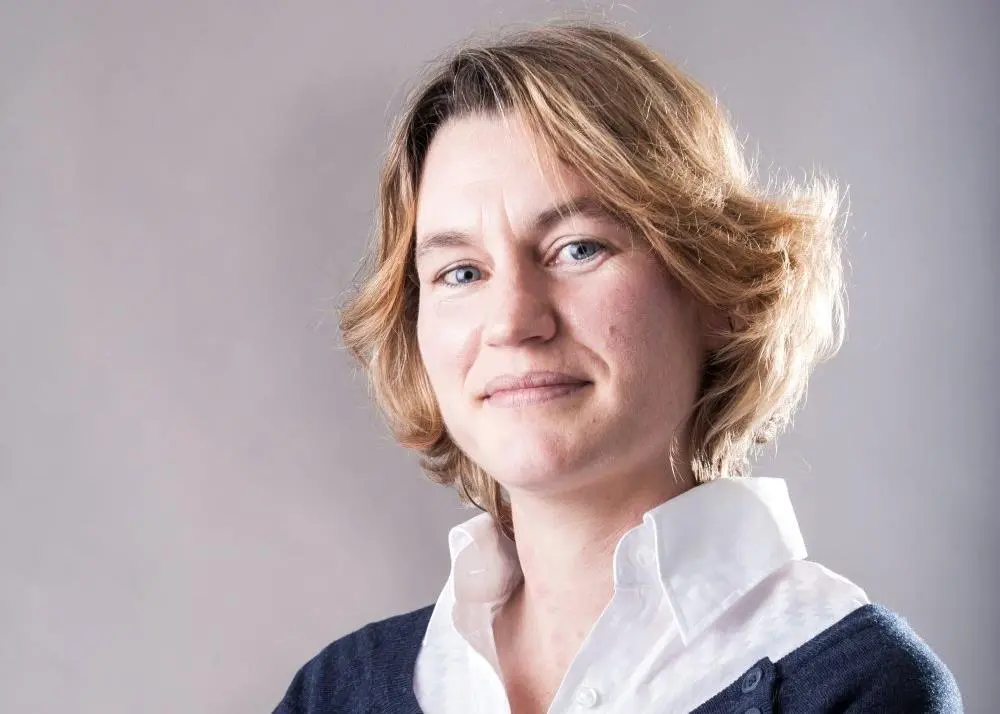
“The application can be accessed from anywhere in the world, and provides clear visual documentation of the damage being wrought by unsustainable farming methods,” said Karin Viergever, Ecometrica’s head of land use and spatial analysis who helped build the app.
The tool, which is publicly available, allows the changes that have taken place to be tracked on a map.
“With data to show what is happening over time, it should now be possible for policymakers to steer development in a more sustainable direction. Our web platform allows similar maps to be built for other areas, and is already being used across a variety of projects,” Ms Viergever added.
The project has collated satellite imagery of the Kenyan and Sri Lankan coastlines for a variety of dates over the last two decades and illustrates how the Kalpitiya-Puttalam lagoon, part of Sri Lanka’s 1,700km coastline, has experienced rapid conversion of natural habitat to shrimp ponds over the past 20 years.
According to the app, the conversion of mangrove forests into shrimp ponds has also dramatically changed this site within the coastal landscape in Sri Lanka, leaving locals at greater risk of flooding and tsunamis which the mangrove belt has traditionally protected them from. Mangroves also provide habitat for marine animals like crabs, shrimps and juvenile fish, as well as locking in large amounts of carbon.
The data also showed that the shrimp farms are generally abandoned after just a few years because of the incidence of disease in the pools, leaving a scarred landscape that is difficult for natural species to re-colonise.
As well as mapping changes in the environment of a major wetland site in Sri Lanka since 1992, the iCoast project looked at the potential for climate compatible development (CCD) in the coastal zone and aimed to identify the right policy and regulatory framework to set coastal farming in Kenya and Sri Lanka on a more sustainable path. As part of the iCoast programme, two Sri Lankan professionals came to Scotland to train on Ecometrica’s application, and they have now returned to their native country where they will be demonstrating it to policymakers.
Related Articles
 FISHERIES
 FISHERIES
 WORLD FISHING EVENTS