



EC proposes multi-annual sustainable plan
The European Commission has proposed a multi-annual plan for fish stocks in western waters aimed at restoring and maintaining stocks at sustainable levels and ensuring fishermen’s social and economic viability.
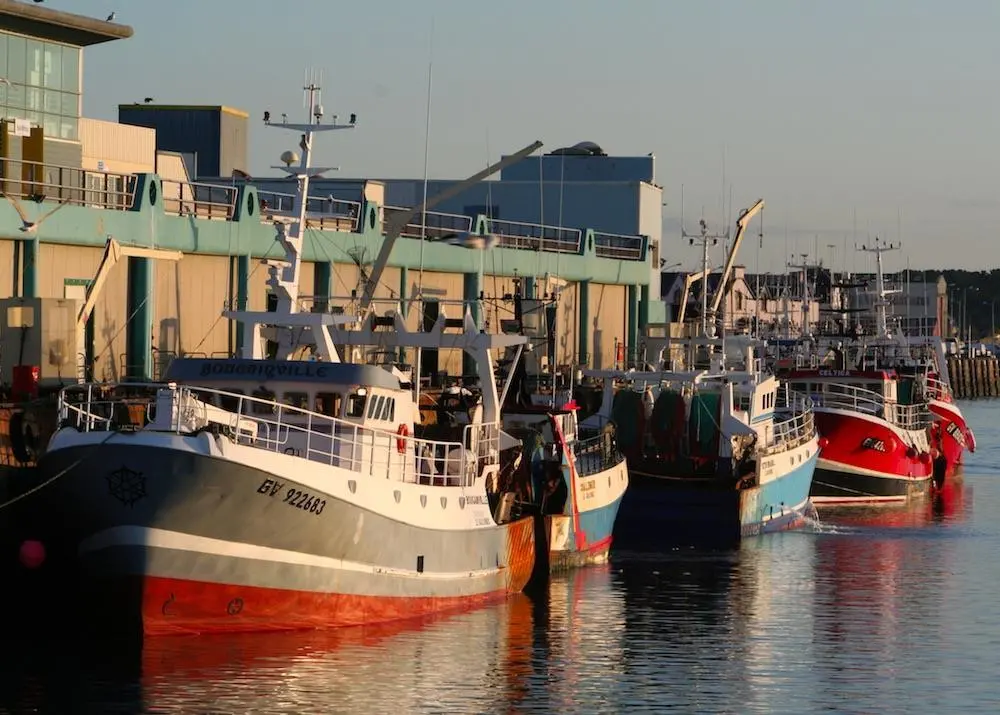
The proposal for demersal fish stocks concerns the fleet of Belgium, Germany, France, Ireland, Spain, Portugal and the UK in the Atlantic Ocean. It includes simplifying fisheries management under one main regulatory framework, and repealing current plans in place for sole in the Western channel and Bay of Biscay, northern hake and southern hake and Iberian Nephrops.
Commissioner for the Environment, Maritime Affairs and Fisheries, Karmenu Vella, said: “Today’s proposal for a multi-annual plan for the western waters aims to sustain our quest for social, economic and environmental sustainability in the long term in this very important sea basin.
“With an increasing number of stocks in western waters fished sustainably, we have seen incomes for fishermen and their families increase. This plan will enable us to continue the positive development towards sustainable fisheries, with solutions that are adapted to the specific need of the fishermen.”
Flexibility
While respecting the 2020 objective of Fmsy, the EC said the plan will allow a certain flexibility in setting the fishing opportunities, where needed to manage for example mixed fisheries. This flexibility, known as ‘ranges of Fmsy’, is proposed as the management method for the most commercially important demersal stocks – the target stocks: e.g. northern and southern hake, cod, haddock and whiting in the Celtic Sea, sole in the Bay of Biscay
The proposal also includes following the precautionary approach for bycatch stocks, accounting for mixed fisheries; and allowing provisions for the landing obligation and technical conservation measures to be put forward by the South Western Waters Advisory Council and the South Western Waters MS Group for their particular fisheries as well as by the North Western Waters Advisory Council and the North Western Waters MS Group for the fisheries that concern them most.
Related Articles
 FISHERIES
 FISHERIES
 WORLD FISHING EVENTS