


East African fishery funding
Two fisheries in East Africa are to receive funding for improvement projects to bring them up to the Marine Stewardship Council’s (MSC) Environmental Standard for Sustainable Fishing.
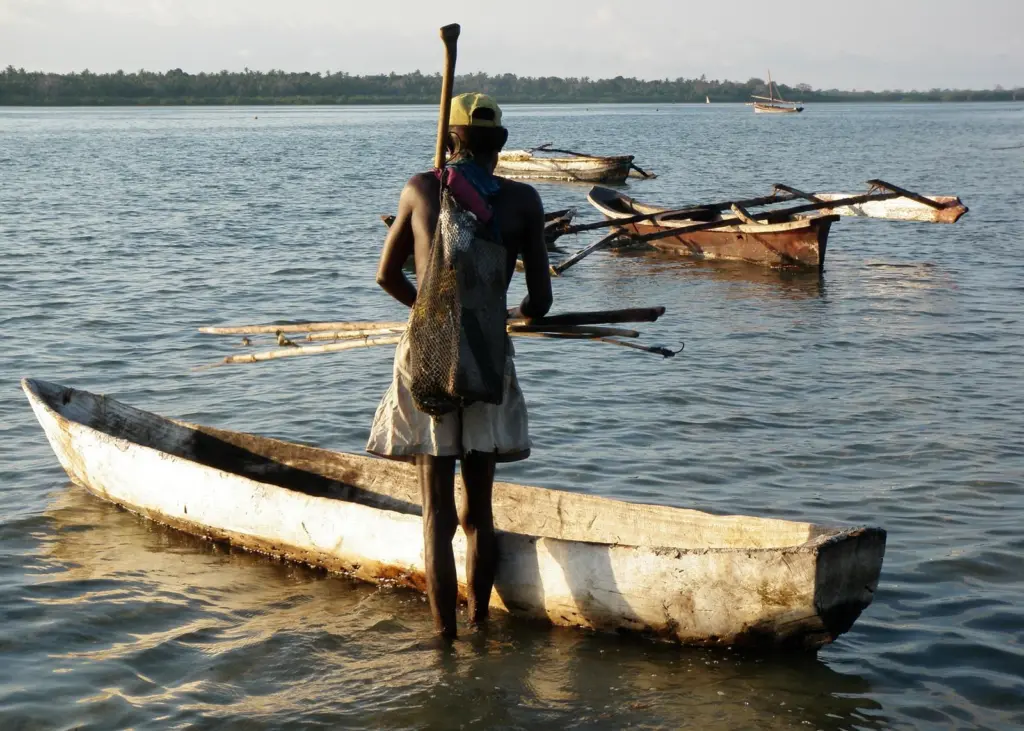
The New Partnership for Africa’s Development (NEPAD) in conjunction with the UK’s Department for International Development (DFID) has committed US$100,000 each to a rock lobster fishery in Kenya and to Tanzania’s octopus fishery.
Both fisheries underwent pre-assessment for the MSC certification in 2010 as pilot projects supported by their respective ministries in collaboration with key stake holders and the WWF. The areas where improvements were needed were used to formulate a fisheries improvement plan and now the funding will be used to roll this out.
Martin Purves, Southern Africa Programme Manager, MSC, said to World Fishing & Aquaculture: “These projects may also lead to changes at government level – this is all about improving fishery standards in Africa.”
Mr Purves explained that the other important reason for working towards the MSC standard is to break into the European market. “We have to give the buyers what they want and they expect this level of professionalism when it comes to sustainability”, he said.
Some of the main improvements will be focused on improving the science behind stock assessment, which Mr Purves says at present is too anecdotal. This will have a positive effect on management planning and taking decisions when it comes to quotas, protected areas and stock management.
The funding will be for a period of two years. During that time private investment will be encouraged. This is already taking place in the Gambia where a German retailer has recently invested €500,000 on fishery improvements.
There may even be an opportunity to obtain EU funding to make further improvements in future.
Related Articles
 FISHERIES
 FISHERIES
 WORLD FISHING EVENTS