



Doubling Scotlands aquaculture sector
An ambitious new growth strategy for Scotland’s aquaculture sector has been created, thanks to a group of leading businesses and organisations from the industry working together for the first time.
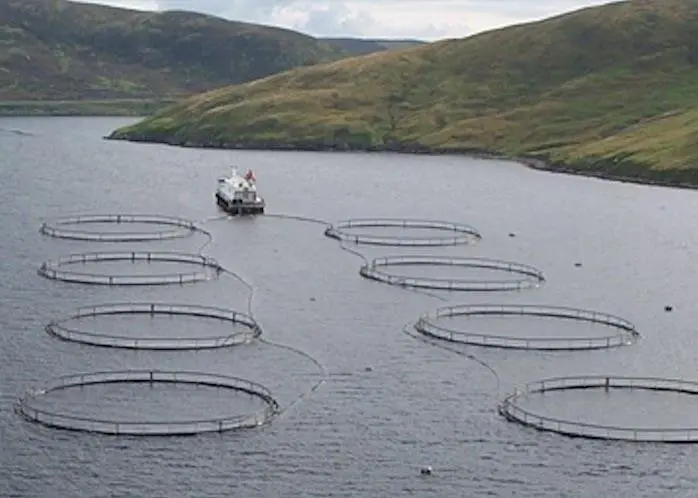
The 2030 Aquaculture Strategy was launched on 28 October identifies key actions required to double the economic contribution of the industry from £1.8bn in 2016, to £3.6bn by 2030.
It is estimated this will generate over 9,000 new jobs in the sector and establish Scotland as a global leader in the industry.
Stewart Graham, group managing director of Gael Force Group and co-chair of the Working Group, said: “This new strategy reflects the industry’s ambition to drive sustainable growth and for Scotland to be a world leader in aquaculture.”
He added: “We have developed a roadmap to 2030 which can make a transformational impact on Scotland’s economy and our rural communities.
“However, the real work begins now and we want to forge a new partnership between the industry, government and its agencies to unlock the full potential of sustainably farming Scotland’s seas.”
The launch coincides with the Scottish Government Finfish Summit being held in Fort William and the strategy, developed after industry-wide consultation, sets out key recommendations for action by both the industry itself and government.
These recommendations cover six themes: industry leadership; regulation; innovation; skills development; investment; and infrastructure.
Among the 20 specific recommendations, three are identified as critical to the sustainable growth of the industry:
First, the creation of a new industry leadership group to drive alignment between industry and government to deliver growth.
A restructure of the role of Marine Scotland – the government agency that regulates the sector – to maintain its regulatory role but to remove its industry development role.
And finally, he introduction world-leading innovation sites to trial cutting-edge equipment, technology and fish health strategies.
Fergus Ewing, cabinet secretary for Economy and Rural Affairs, concluded: “Aquaculture is one of our real economic success stories of recent years, with the industry on track to grow to a value of well over £2bn annually to the Scottish economy by 2020, supporting 10,000 jobs.”
The Working Group that has produced the plan comprised representatives of the Scottish Salmon Producers Organisation, Scottish Aquaculture Innovation Centre, Scotland Food & Drink, Association of Scottish Shellfish Growers, Highland Council, as well as leading businesses in the sector: Aquascot, Gael Force Group, Ferguson Transport & Shipping and Wester Ross Salmon.
Related Articles
 FISHERIES
 FISHERIES
 WORLD FISHING EVENTS