





Divers discover new marine species in NZ
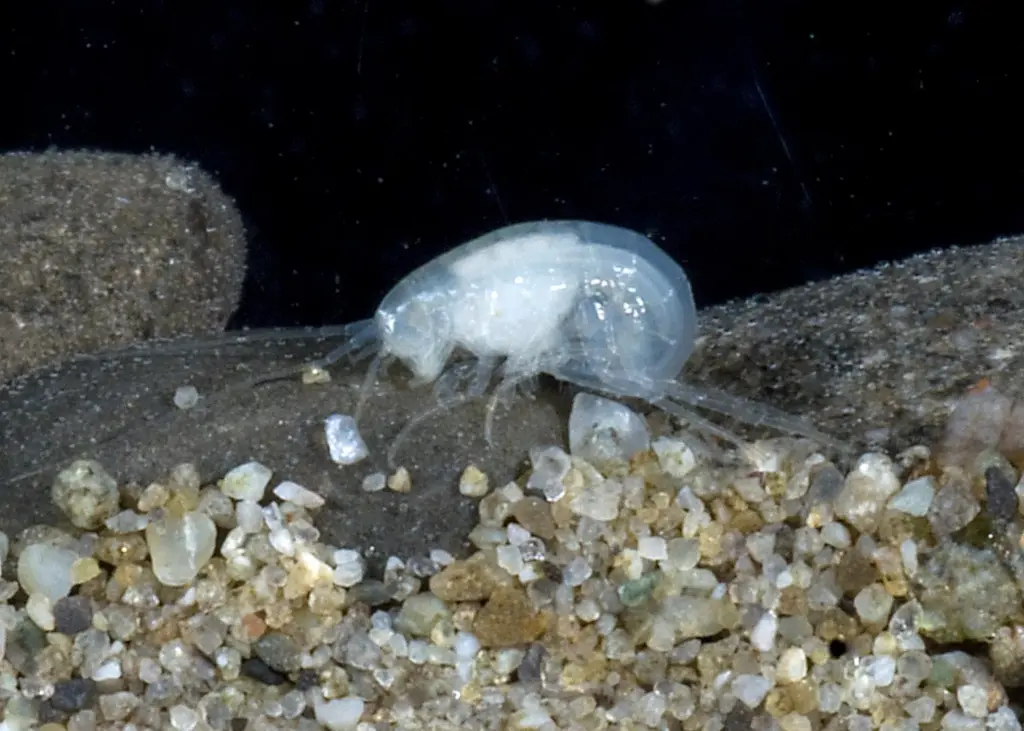
In a recent diving expedition to one of the world’s deepest underwater caves near Nelson in New Zealand, Australian cave divers discovered three new marine species – a transparent amphipod, a worm, and a small snail.
The discoveries were made in the Pearse Resurgence, a cave in the Mt Arthur Range, where the divers were exploring underwater cave systems. They were collecting samples of stygofauna – fauna that live within groundwater systems.
The divers were on site for 13 days, performing a total of 74 dives in the 6.5ºC water. The dives took place between 27 December 2010 and12 January 2011.
Worldwide, these aquifer studies are yielding rich troves of biodiversity. The importance of such stygofauna is twofold – they contribute to the health of the aquifer by biofiltration and, in turn, they may represent an important marker of the health of the water.
“It’s important to do an inventory of life in New Zealand, and in this case, it’s a pretty special type of environment, and we don’t have many limestone karst systems that are readily explored,” expressed National Institute of Water and Atmospheric Research (NIWA) expert, Dr Graham Fenwick.
The new species of amphipod crustacean dominated the stygofauna collected from the Pearse Resurgence, the two other stygofaunal invertebrates discovered in the system were a minute gastropod snail and an oligochaete worm.
Related Articles
 FISHERIES
 FISHERIES
 WORLD FISHING EVENTS