


Developing sustainable mariculture in Iran
The Islamic Republic of Iran and Food and Aquaculture Organization of the United Nations (FAO) are working together to explore the possibilities for developing marine cage culture in the country.
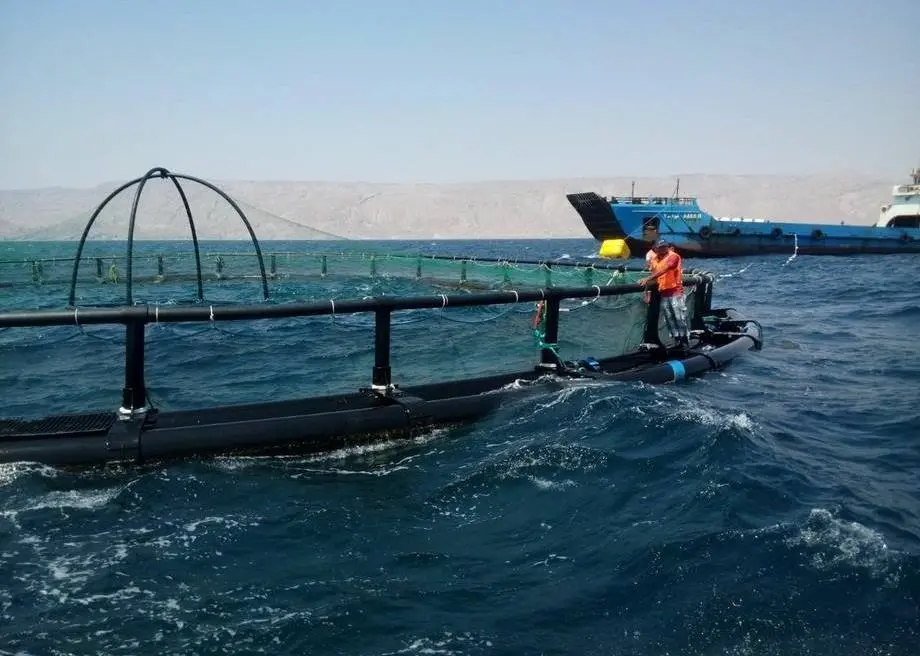
FAO’s latest Blue Growth blog entry said that a recent technical workshop co-chaired by the Government and the FAO and held in Tehran underscored the important role that mariculture can play in the development of the country’s aquaculture sector.
In his opening remarks at the workshop, Serge Nakouzi, the FAO Representative to the Islamic Republic of Iran, noted that this important role is expected to increase, particularly as fish consumption increases in both developing and developed countries.
“The development of marine cage culture in Iran IR would be beneficial both for exports and as a response to its own growing internal demand for aquaculture products,” he said.
Iran has excellent potential to expand its freshwater and marine aquaculture production due to its favourable environmental conditions along different sections of its coastline and in inland lakes and reservoirs. The country sees the expansion of its mariculture offering as key to its export revenues, internal food and nutrition needs and a good way of generating employment.
But as Alessandro Lovatelli, FAO Aquaculture Officer, noted in his keynote message, “For marine cage aquaculture to succeed in the long-run, the sector must be viewed as an industry that will inevitably face competition from other farmed fish products and markets.”
“The choice and adoption of farming technologies, farmed species and technical capacity acquisition will be key in the sustainable growth of this new and potential aquaculture sector in the Islamic Republic of Iran.”
To this end, FAO is promoting the concept and development of marine spatial planning in the Regional Commission for Fisheries (RECOFI) to strengthen environmental protection and to responsibly manage uses and users for marine space.
It said that if this policy is adopted at a regional and/or national level, it offers the strong opportunity that all the competing marine activities can sustainably co-exist in the longer term – especially relevant for countries like Iran which is just beginning to develop its mariculture offering.
The Islamic Republic of Iran has over 50 years’ experience in aquaculture mainly in the pond culture of a variety of freshwater finfish species, including Chinese carps and the rainbow trout.
Related Articles
 FISHERIES
 FISHERIES
 WORLD FISHING EVENTS