


Deep sea stock legislation woes
Seafish has published a report highlighting the potential economic impacts of proposed legislation from the European Commission on deep sea stocks.
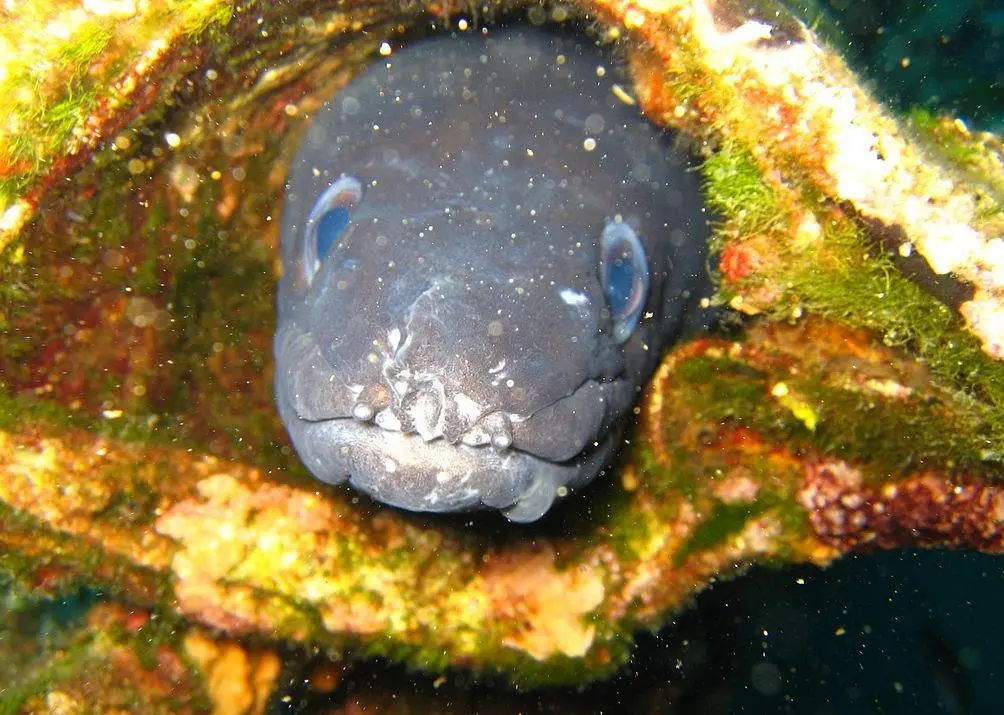
The proposed bill aims to phase out bottom sea-trawling in Vulnerable Marine Ecosystems (VME) by introducing authorisations or ‘permits’ to fish for deep sea stocks.
But the problem is that under this bill, ling and conger eel stand to be classified as ‘deep sea’ species, which Seafish said will have a negative effect on over 600 UK vessels whose catch partly comprises these species – even those fishing in shallow waters.
The Economic Impact Assessment carried out by the Centre for Environment, Fisheries & Aquaculture (CEFAS) on behalf of Seafish highlights helpful alternatives to the proposed legislation. These alternatives include removing ling and conger eel from the ‘deep sea’ species list, setting a 400m depth rule for deep sea stocks and designating specific areas for deep sea fishing.
John Anderson, senior economist, Seafish, said: “The Commission’s initial impact assessment didn’t contain much information on the potential economic implications of the proposal so we addressed that knowledge gap. Importantly, the report makes it clear that other management approaches would likely achieve the same outcomes in terms of protecting VMEs while also minimising any negative economic outcomes for the industry.”
The report was jointly funded by Seafish, Defra, Marine Scotland and the Scottish White Fish Producers Association (SWFPA) who all collaborated on the project steering group.
Seafish will now produce a ‘General Approach’ position for the European Council this year which it said should enable a trilogue negotiation between Presidency, Commission and European Parliament.
Related Articles
 ICELANDIC FISHERIES EXHIBITION
 FISHERIES
 FISHERIES