

Cretel now offers a total turnkey processing solution
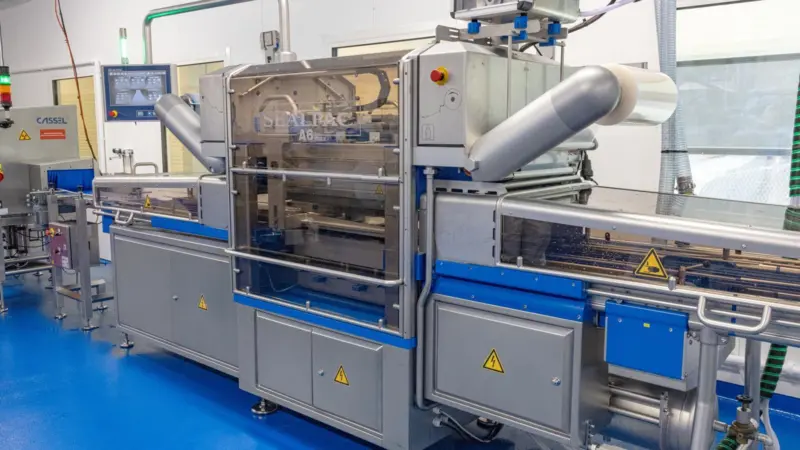
During the past 40 years, Belgian food processing equipment manufacturer Cretel has built a deserved reputation for producing skinning machines for a wide range of fish. However, it is becoming actively involved in completely equipping new processing plants.
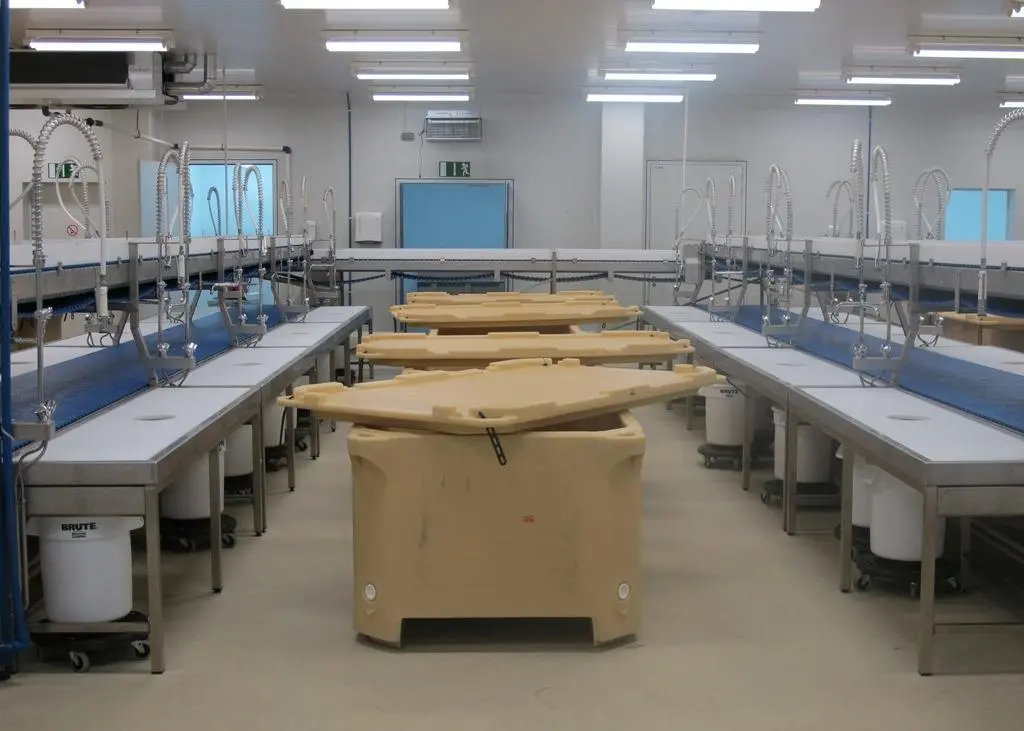
Cretel’s machines are ideal for skinning fast growing farmed freshwater species such as tilapia and pangasius which are becoming popular alternatives to wild-caught whitefish. In fact, pangasius processing plants in Vietnam usually have a row of Cretel skinning machines even though most operations are still done by hand.
“We supply 90-95% of the skinning machines used in Vietnam for pangasius,” says Harold Demoen, joint CEO of Cretel, “and have been doing so for the past seven years.”
The company has also provided machines for skinning tilapia to companies such as Regal Springs – Neptuno- 8Sea, which farms the species in Indonesia, Honduras and Brazil.
“We work with our customers and provide the machine they require,” Mr Demoen says. “We can react very quickly according to their needs.” There can be seven requirements from one machine – shallow skinning, deep skinning, etc – he adds.
Although Cretel is best known in the seafood industry as a manufacturer of skinning and descaling machines, it also had an industrial washing machine division. Four years ago this was merged with Eliona Industrial a Belgian company specialising in industrial washing and drying installations.
“We can clean a whole range of equipment – crates, tubs, trolleys etc,” says Mr Demoen. “Processors can get everything they need for cleaning from the one supplier.”
“Last November, there became a third partner in Cretel, the industrial group ATS,” Mr Demoen stated. “This group is very strong with 14 constituents. Logitrans is one of them, which is big in automation, and then there is Marganne which manufactures conveyors and stackers.
“There are lots of advantages belonging to this group with its worldwide operations.”
Alliance
Cretel is also part of an alliance, or cluster, of eight complementary Flemish (north Belgian) companies called TFT (Turnkey Food Technologies) which is exporting a lot of fish processing equipment abroad, Mr Demoen says. “We operate worldwide, everywhere. People are gradually starting to know us for being able to provide a total concept.”
TFT was founded by Cretel, Marelec and Isocab. However, it is separate entity and there are no financial links between its members.
TFT has completed two projects in the Middle East, including one in Yemen for Pearl Fisheries handling mainly tuna and cuttlefish, and also one in Brazil. It is now running projects in West Africa.
“Africa is an expanding market,” says Mr Demoen, “and there is a lot going on there in countries such as Sierra Leone and Mauritania where there is need of standard manual plants with little automation. This is an advantage we have over other companies which are very expensive.”
In Sierra Leone, the project is one that has to be able to process a variety of species, including barracuda and pike perch. TFT is also working on a project to process tilapia, carp and barramundi in Tanzania.
“Cretel is well known everywhere,” Mr Demoen says.