






COVID-19 highlights importance of fishing
The COVID-19 pandemic has highlighted the importance of the UK’s fishing industry in ensuring food security for the nation, says the chief executive of the Scottish Pelagic Fisherman’s Association.
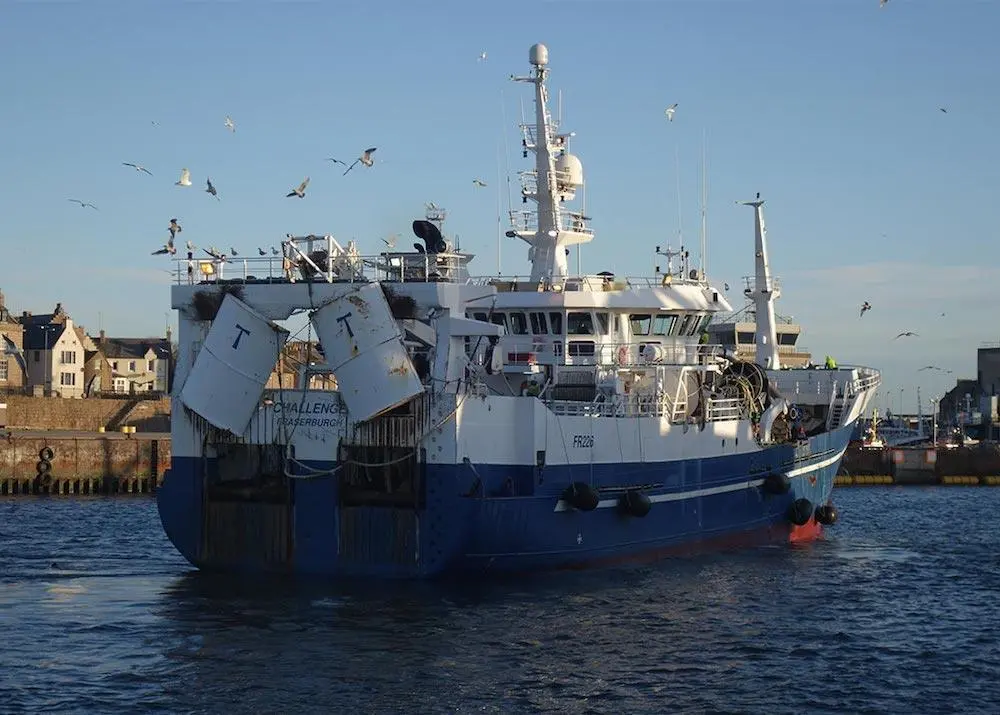
Ian Gatt, who is also chairman of the Scottish Pelagic Sustainability Group, says that sustainable fishing in the waters around Britain of species such as cod, haddock, langoustines, mackerel and herring can help supply a food resource long into the future.
“Recovering from the pandemic will be challenging since the economy will have taken a big hit,” said Ian Gatt. “Consumers will have less money in their pockets. This is where mackerel and herring have a key role to play because both are plentiful in supply, taste great and are inexpensive.”
Over the last two centuries herring was a main staple of the British diet. The herring boom of the 19th century led to the Scottish fishing industry becoming the largest in Europe and in the early years of the 20th century it is estimated there were over 10,000 boats fishing for herring alone.
However, the decades that followed resulted in over-exploitation, which led to a complete closure of the herring fishery in the late 1970s and early 1980s to enable the stock to recover. The North Sea stock has is now in good health, but, since this period of recovery, the fish went out of fashion and the UK market became much diminished.
Nutritional experts advise eating two portions of fish per week, one of which should be an oil-rich fish such as herring or mackerel. Both are also good sources of vitamin D.
Related Articles
 FISHERIES
 FISHERIES
 WORLD FISHING EVENTS