


The Best Aquaculture Practices (BAP) program now has a two-star certified operation that farms and processes tilapia in Costa Rica.
The Terrapez S.A. processing plant, which is associated with Aquacorporación Internacional, S.A. group under Rain Forest Aquaculture, was certified in August as BAP's first tilapia plant in Costa Rica. Located in Cañas, Guanacaste, the state-of-the-art, purpose-built plant can process over 20,000 metric tons of fresh and frozen products annually.
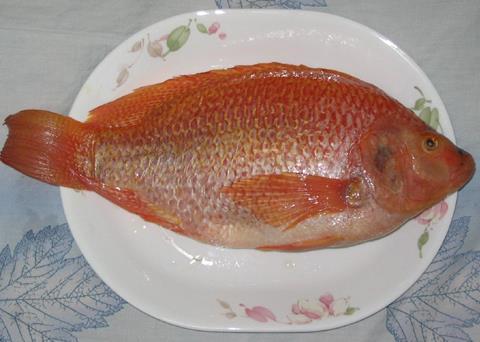
A tilapia farm owned by Rain Forest/Aquacorporación Internacional in Cañas was certified to the BAP standards in late June. Tilapia grown in its ponds and raceways provide a wide range of fillet sizes. Harvested fish are transported live to the processing plant and quickly shipped to market fresh or frozen by air and ocean.
Rain Forest Aquaculture Quality Assurance teams monitor the entire production process for compliance with BAP and other established standards. Rain Forest Aquaculture's traceability system tracks its entire production from farming stages to market.
"Rain Forest Aquaculture should be applauded for this development," BAP vice president of Development Peter Redmond said. "It responded to the marketplace demand for certification, and the marketplace will no doubt respond in kind by welcoming its large volumes of premium tilapia products."
About 90% of the Rain Forest production of fresh tilapia fillets is exported to the United States, representing 25% of the North American market. The remainder is consumed by local and European markets.