





Contraceptive pill ‘alters fish genes’
Fish behaviour can change and their genes are altered because of hormones in the contraceptive pill, according to a new doctoral thesis from Lund University in Sweden.
In her thesis, Lina Nikoleris studies how fish are affected by the hormone ethinyl-estradiol (EE2), an active substance in many types of contraceptive pill which is thought to affect aquatic organisms when released as waste into the water.
“Even low concentrations of EE2 have an impact on fish – both their behaviour and their genetics. We have seen a change in the genetic balance in fish, and that they have a harder time catching food,” said Ms Nikoleris.
Previous studies have shown that the fish also develop problems with procreation. This can lead to the complete disappearance of an entire fish population, and consequences for entire ecosystems,” she added.
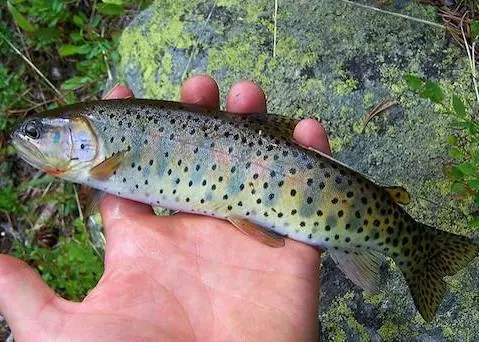
Fish have more oestrogen receptors than humans, which makes them especially vulnerable to oestrogen in water. The thesis studies three different fish species: salmon, trout and roach, which are economically important fish that live in both sea and freshwater.
Ms Nikoleris has also studied nurse midwives’ knowledge of the environmental impact of hormonal birth control, the information they receive, and the impact it has on the consultation they provide.
The results show that the midwives find that they do not have sufficient knowledge, and any information they have mainly comes from pharmaceutical companies. In Sweden birth control is subsidised but the system can be difficult to grasp, and it mainly includes hormonal birth control methods and overall, the knowledge about hormone-free alternatives is scarce.
Related Articles
 FISHERIES
 FISHERIES
 WORLD FISHING EVENTS