




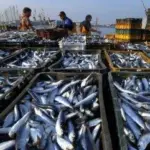

Congress votes Chile’s fishing law in 2010
Chile’s Congress is discussing the 237 amendments to the country’s obsolete Fishing and Aquaculture law and it will only be passed as a law in April 2010, reports Peter J. Neilson.

Chile’s outdated 1991 Fishing and Aquaculture law needed urgent updating. The industrial fishing industry, the National Fishing Service, the salmon industry, the mussel industry, coastal fishermen, the Undersecretariat of Fisheries and the environmental authorities have been meeting to discuss the necessary modifications required for updating the law and, to date, 237 amendments have been presented.
The first issue to be voted on 28 August was the controversial issue of salmon farming concessions. The salmon industry was requesting permanent concessions, because the investment in equipment is great and a three year concession would be out of the question, considering the large investment required.
Finally, Congress voted that salmon farming concessions would be issued for a maximum of 25 years, a reasonable amount of time considering the large sum required to invest in a salmon site.
At the beginning of September, Congress discussed the coastal fishermen’s situation, including exclusive fishing areas and TACs.
Congressman Patricio Vallespín, chairman of Congress’ Fishing Commission, told World Fishing: “There have been over 230 amendment proposals presented and we in the Congressional Fishing Commission are discussing each proposal one by one. Once we finish discussing them, Congress in full will discuss the complete modification and then it will be discussed by the Senate and if approved, will finally become the new Fishing and Aquaculture law. This should happen in April 2010,” Mr Vallespín commented.
“Discussions have been long – all day long – and the coastal fishermen’s demands have been studied carefully. Nevertheless, these fishermen have protested violently in Puerto Montt, Talcahuano and Valparaiso, demanding more and more benefits, fishing quotas and management areas and this has stalled the discussions and is lengthening the process.
“Hopefully all parties will sit down and discuss the proposed amendments in a civil manner so that the new law may be approved as soon as possible,” Mr Vallespín ended saying.
Related Articles
 FISHERIES
 FISHERIES
 WORLD FISHING EVENTS