


Confidence boosted with Dyneema® nets
Mainstream Group, the Norwegian based salmon farming company, has placed an order for an additional 28 PLEXUS® nets made of Dyneema®.
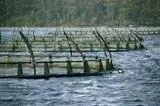
The new order follows a three year trial period of using Dyneema® based cage nets from major Norwegian manufacturer and official DSM Dyneema licensee, MøreNot AS, which has yielded a range of performance, economic and environmental benefits.
Mainstream had been experiencing problems of poor durability with its 90m circumference nylon nets and began trialling two 120m Dyneema® based PLEXUS® nets from MøreNot in 2006. Mainstream followed with the purchase of 10 120m cage nets in 2007, all of which are used for salmon farming at the company’s Nordland and Finnmark sites. In spite of current economic headwinds, the recent order demonstrates Mainstream’s confidence with MøreNot nets made with Dyneema®. Thanks to the lighter, thinner twines made with Dyneema®, Mainstream found that the PLEXUS® net cages, even when larger, were easier to handle, held their shape better and were less prone to deformation in strong currents.
Dyneema® based nets contribute towards a sustainable future in the aquaculture industry. The use of anti-fouling treatment can be cut by up to 50% per annum lowering maintenance costs and benefiting the marine environment. Moreover, the thinner twines can potentially improve oxygenated water flow through the netting, creating a healthier environment for the fish, and increase harvest productivity. The lighter weight of the cage nets allows for easier installation and improved safety when handling. Cage nets made with Dyneema® are expected to last up to 10 years, twice as long as traditional nylon nets.
“We are really pleased with how the PLEXUS® cage nets have performed. This convinced us to extend our investment in larger nets made with Dyneema®,” commented Truls Hansen, Production Manager, Nordland Region at Mainstream. “The nets have demonstrated they are easier to handle, more durable, give better protection and are healthier for both the fish and sea. We are currently considering replacing all of our 120m nylon nets with net cages made with Dyneema®.”
The size of net cages has grown steadily over the years, from 40-60m circumference in the early 1980’s to 160m circumference today. Larger net cages of up to 160m in circumference and made of nylon can weigh up to 4-5 tons. These large nets are difficult to handle, requiring heavy equipment (boats and cranes) resulting in more time and cost for farmers. Moreover, with the growing worldwide demand for high quality fish, farmers will increasingly look to move offshore as sheltered locations become scarcer. Larger and stronger nets will be needed, that are able to be deployed and managed economically, and that can tolerate the harsher sea and weather conditions. In addition, nets made with Dyneema® help protect against predators, like sea lions, in exposed environments.
Related Articles
 AQUACULTURE
 AQUACULTURE
 SEAFOOD