






Concerns raised over discard ban
Researchers from the University of Strathclyde have published a report that says new rules banning fishermen from throwing away unwanted fish they have caught could harm wildlife and fail to improve fish stocks.
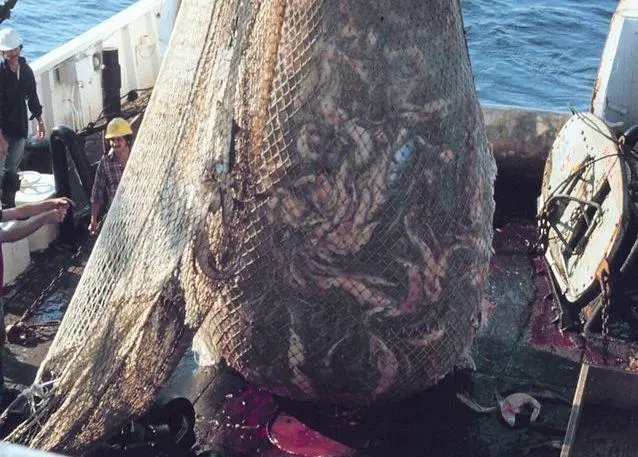
The study suggests that the discard ban, which forms part of the reformed Common Fisheries Policy (CFP), may have unintended consequences. The aim is to improve fish stocks, but Professor Mike Heath, who led the research team from Strathclyde’s Department of Mathematics and Statistics, said this outcome was uncertain.
Professor Heath said, “Wildlife everywhere capitalises on waste from human activity, and discarded fish are food for a wide range of seabirds, marine mammals, seabed animals and other fish. Therefore, banning discards of fish could have unintended effects on the ecosystem.”
The team developed a computer simulation model of the North Sea marine ecosystem and used it to investigate the effects of changes in the fishing pressure and the proportion of fishery catch which is discarded at sea. Forcing vessels to land fish which are currently discarded leads to adverse effects on seabirds and marine mammals, but without any improvements in fish stocks, the study found.
In contrast, changing fishing practices – so that unwanted fish are no longer captured – had dramatic effects in the model which affected the entire food web, with major benefits for birds, mammals, and fish stocks. This could be achieved by improved selectivity, through the use of fishing gear designed to avoid unwanted catches and judicious timing and location of fishing.
Although both approaches to eliminating discarding satisfy the societal demand for reductions in waste of natural resources, the conservation benefits are quite different.
Related Articles
 FISHERIES
 FISHERIES
 WORLD FISHING EVENTS