





Commission fails to make changes to overfishing
Greenpeace has spoken out about the increasing need “to take steps to ensure sustainable fishing” following the end of the Western and Central Pacific Fisheries Commission 10th meeting.
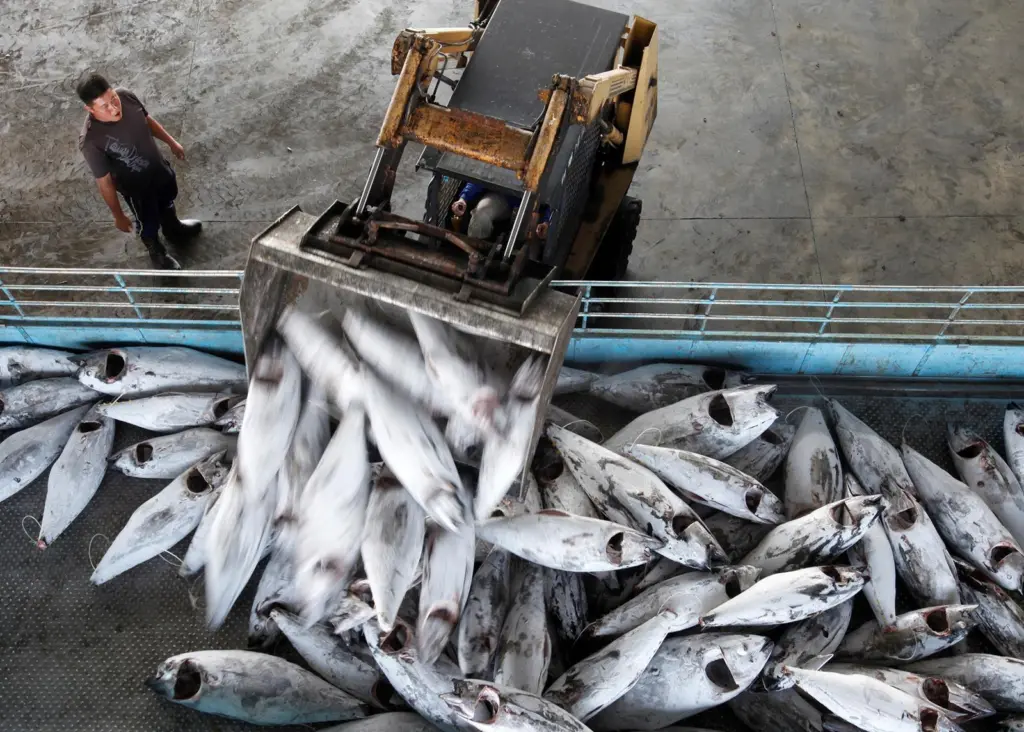
Discussions have been at a deadlock over conservation and management measures needed to reverse overfishing of the region’s bigeye tuna stocks.
Greenpeace says despite this, the Commission “failed to take action” and instead agreed “weak measures that will result in little or no improvements”.
“Big fishing nations especially the US and EU have stubbornly refused to agree to the proposals tabled by Pacific Island Countries and Japan. They have a lot to answer to here, and it seems they only came to Cairns to rubber stamp their own plans for continued overfishing in this region,” said Sari Tolvanen, spokesperson, Greenpeace International.
The Commission failed to tighten restrictions on the use of destructive Fish Aggregation Devices (FADs) in the purse seine fishery over a three year period.
A four-month ban of the use of FADs was retained with no further restrictions set for 2014, while additional restrictions for 2015-16 also remain uncertain.
However, the meeting did agree to cap the entry of new purse seine and longline vessels into the fishery by developed fishing nations – a “much needed and overdue action”.
Duncan Williams, campaigner, Greenpeace Australia Pacific oceans, added: “Pacific island countries should now take control of their fishery and reduce the licenses available for these longline vessels in their waters to ensure they are under strict conditions when fishing in their high seas. A collective action is needed to lead progress now given the tuna commission has failed to deliver.”
Related Articles
 FISHERIES
 FISHERIES
 WORLD FISHING EVENTS