


Closing the Gap Between Innovation and Investment
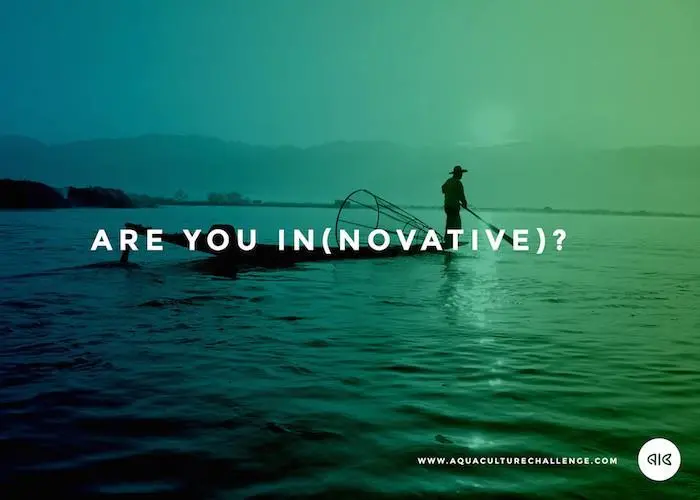
After the first round of the Aquaculture Innovation Challenge (AIC), hosted by Seafood Trade Intelligence Portal (STIP), Solidaridad and Fresh Studio, fifteen innovation plans have been chosen for the second round.
Successful entries included those addressing issues of sustainable feed, environmental monitoring and control systems among others. The judges expressed interest in a participant’s idea of using insects, rather than fish, as a protein source for aquaculture feed. They were also impressed with a proposed low cost, wind-powered pond aeration system that is easy to maintain and improves farm outputs by increasing oxygen levels in the water.
Along with qualifying points, the contestants will receive professional feedback from the judges, which will allow them to prepare for the far more rigorous second round on 27 April. Those that make it through round two will advance to the boot camp phase of the AIC in June. While there will be an overall competition winner, all of the contestants that reach the boot camp will have the opportunity to pitch their innovation to potential investors working within the seafood sector.
There was a great turnout from Vietnam-based innovators who submitted almost half of the 27 initial entries. There were also applications from India, Indonesia, the Netherlands, Israel, and the USA. The competition was open to proposals for innovations at several stages of development.
“A scientist with a brilliant idea may not have fully developed the business and financial aspects, but we don’t want to exclude those ideas. We think that eventually these ideas may be developed into successful innovations for the future,” said STIP director Willem van der Pijl while introducing the Design category.
Innovations submitted for the Demonstration and Upscaling categories are further along in the development process, several of which have been put in practice. They tend to have a strong business plan and a proven track record of impact, needing only assistance with further development and upscaling.
The jury is comprised of members with a wide range of backgrounds, including science, civil society, business or finance. Each category was assigned one judge from each of these backgrounds. This was done to ensure innovations that make it to the final round are scientifically sound, marketable innovations for the Vietnamese aquaculture industry that benefit society and/or the environment. The varying expertise of the judges makes them perfectly suited to analyse opportunities and steer development.
Related Articles
 SEAFOOD
 AQUACULTURE
 SEAFOOD