



The Marine Climate Change Impacts Partnership (MCCIP) launched its latest report at the World Fisheries Congress in Scotland today - it focuses on the impact of climate change on the marine environment.
Central to the report are the social and economic consequences of global warming and how they might affect fisheries and aquaculture.
Scotland's Cabinet Secretary for Rural Affairs and Environment, Richard Lochhead, said: “Climate change is affecting us all and understanding the impact on the marine environment is hugely important. Fisheries and aquaculture are vital to our economy – worth over £1bn – and clear science is critical to secure the future of our valuable food industries.”
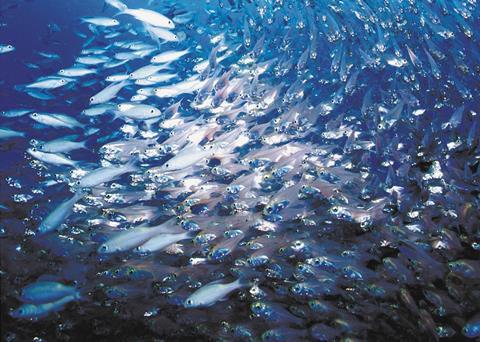
Key findings of the report include the fact that there are clear changes in the depth, distribution, migration and spawning behaviours of fish – many of which can be related to warming sea temperatures. This also affects cultivated fish and shellfish.
But fish farming technologies, including controlled or closed fishing areas, can be adapted in response to help protect commercial and vulnerable fish stocks, the report says.
This may well prove to be central to the issue because shifting distributions of fish have led to a series of international disagreements and continues to have implications for fisheries management across international boundaries.







