



Catfish driving a wedge between US and its trade partners
From Ho Chi Minh City, attorneys Sesto Vecchi and Gage Raley of Russin & Vecchi discuss how new catfish inspection regulations threaten to disrupt catfish imports from Vietnam, and why the wider seafood industry should be concerned.
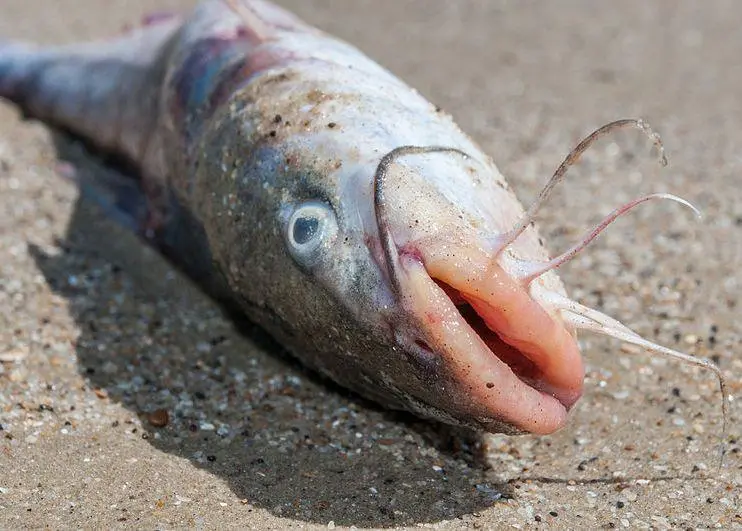
The humble catfish is straining US relations with Vietnam and other Southeast Asian nations.
Earlier this year, the US Congress transferred jurisdiction over catfish inspections from the U.S. Food & Drug Administration (FDA) to the U.S. Department of Agriculture (USDA). Vietnamese exporters believe this move was intended to protect US catfish farmers from foreign competition. In support of this charge, they note that the new USDA catfish inspection program was designed by congressmen from Mississippi Delta states, the hub of the US’s domestic catfish industry.
Up until now, the USDA has been responsible for inspecting meat from land animals – such as beef, poultry, and pork – while the FDA has been responsible for seafood. One of the official reasons given for this change is that foreign catfish farms overuse antibiotics and antifungals, and that the FDA has not been rigorous enough in testing for banned antibiotics. This justification seems dubious, however; producers of shellfish, salmon, and other types of farmed seafood also rely heavily on antibiotics, yet Congress singled out only catfish for placement under the USDA’s jurisdiction.
Motive
Vietnam’s catfish exporters believe the real motive for placing catfish under the jurisdiction of the USDA was to disrupt foreign imports. Under the old FDA inspection process, catfish were inspected upon arrival in the US. Under USDA rules, however, any country that exports catfish to the US will be required to set up their own domestic inspection system equivalent to the USDA’s US operations. The New York Times notes that “imports would cease until Vietnam has set up an inspection system that is equivalent to America’s, a burdensome and costly process.”
Putting in place a USDA-equivalent system will require major overhauls in Vietnam, and catfish exports could be shut down for years until the process is complete. Vietnamese lawmakers will have to debate and pass legislation, draft regulations, allocate funding, and implement the new system. Sean O’Scannlain, head of the US’s largest seafood distributor trade group, has stated that it will take Vietnam five to seven years to come into compliance with USDA regulations. In the meantime, many Vietnamese catfish farmers, already struggling with low margins, will go out of business.
The catfish trade is an important issue for Vietnam. Catfish exports to the US are very important to the Vietnamese aquaculture sector, which has invested heavily in catfish farming to meet US demand. In addition, catfish farming has played a major role in lifting millions of rural Vietnamese out of poverty, and many catfish farmers could slip back into poverty if they are cut off from the US market. The Vietnamese government feels betrayed by its US partner, which could lead to retaliation. “It’s going to cause a trade war with Vietnam,” Mr O’Scannlain predicted in the Chicago Tribune. “Because they’re going to say, ‘Great, then we don’t want your beef or soybeans.’
Damage
The catfish inspection program could damage US relations not only with Vietnam, but with other Asian countries as well. In June, the New York Times reported that “[ten] Asian and Pacific nations have told the Office of the United States Trade Representative that the Agriculture Department’s catfish inspection program violates international law, and their objections could hamper Obama administration efforts to reach a major Pacific trade agreement by the end of next year.” While the letter did not overtly threaten retaliation, but it “emphasize[d] that the American catfish program stood in the way of the trade talks.”
The seafood industry should keep a close on the catfish issue, as it could have ramifications for the rest of the industry. A trade war could also hurt the domestic seafood industry. The US exports billions of dollars worth of seafood to Asia. The catfish inspection program may prove beneficial to some US catfish farmers, but impaired trade relations with Asian countries could prove costly to other US seafood industries.
Russin & Vecchi is an international law firm with offices located in developing countries worldwide. The Ho Chi Minh City office opened in 1967 as the first US law firm in Vietnam.
Related Articles
 FISHERIES
 FISHERIES
 WORLD FISHING EVENTS