




Call to social responsibility
A new report launched to coincide with the World Seafood Congress being held in Grimsby this week, calls for a code of conduct on social responsibility for the seafood industry.
Joint investigations, sharing information on audits and a code of conduct on social responsibility are some of the recommendations made in the report, to help tackle social and ethical issues facing the UK seafood supply chain.
The report produced for Seafish by Roger Plant, ethics expert, looks at 15 regions supplying the UK market and focuses on social issues surrounding human rights and the labour rights of fishermen.
As well as a risk assessment profile for each region, mostly in South East Asia, the report provides analysis of the risks, as well as strategic recommendations on how the seafood industry can help to improve conditions on fishing vessels and along the supply chain.
Speaking at the congress, Mr Plant said: “The issue of slavery and labour brokering in the seafood supply chain won’t go away and no country is immune to these activities. The only way to stop what is going on is through collective action by the seafood industry as a whole and across the globe.”
“The supply chain needs to find ways to share information and be proactive in reporting findings during audits, as well as pioneer joint investigations on issues such as slave labour which will provide benefits to everybody involved.”
The report ‘Ethical issues impacting on the UK seafood supply chain’ is now available on the Seafish website: http://www.seafish.org/responsible-sourcing/ethics-in-seafood/assessment-of-ethical-issues
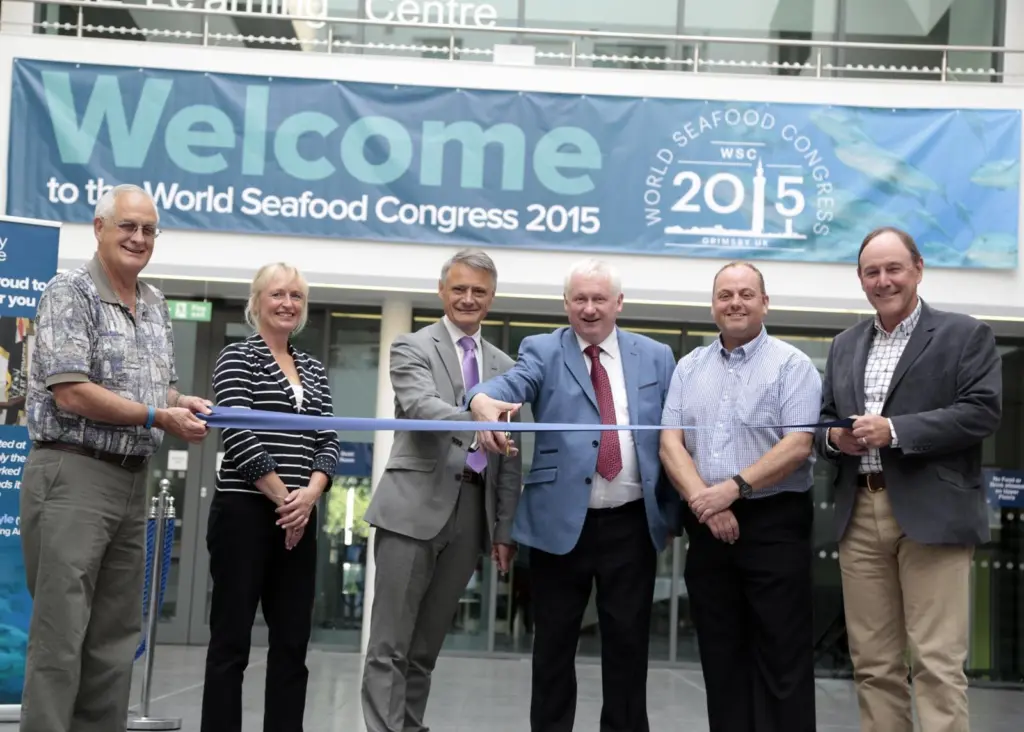
The 2015 World Seafood Congress takes place from 5 to 9 September at the Grimsby Institute, UK.
Related Articles
 FISHERIES
 FISHERIES
 WORLD FISHING EVENTS