




Call for NARW protection collaboration
The Lobster Council of Canada (LCC) is calling on the Federal government to work with lobster harvesters and other stakeholders to ensure that the industry’s ongoing commitment to protecting the North Atlantic Right Whale (NARW) is addressing all issues.
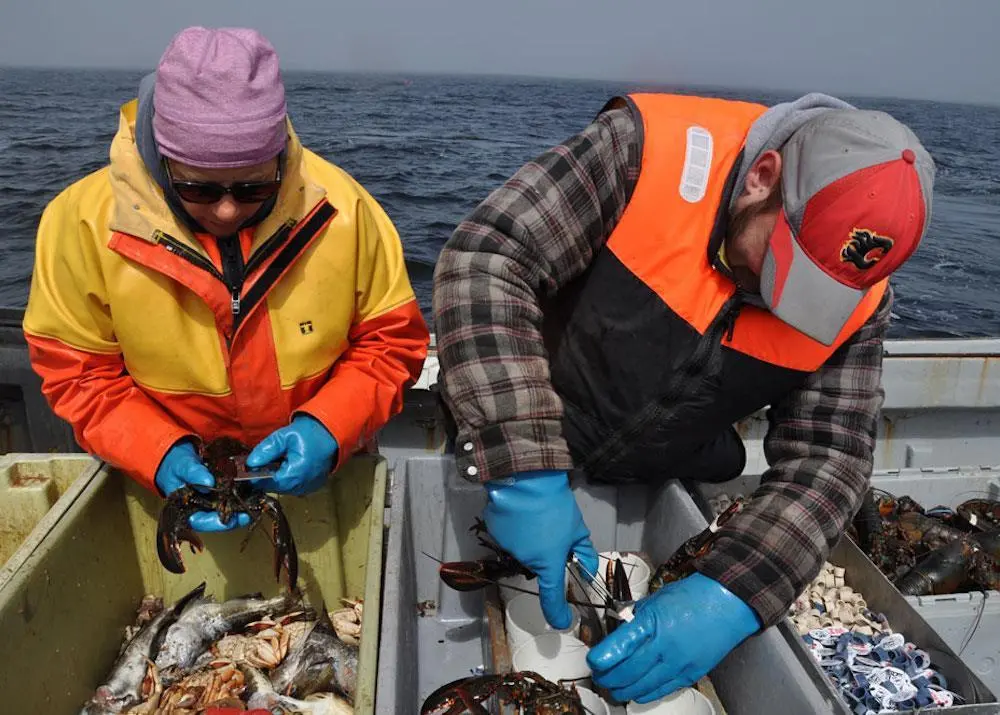
Better outcomes for the NARW and all stakeholders involved will be achieved if all stakeholders can share their views on the ongoing mitigation measures by working with the Federal Department of Fisheries and Oceans (DFO), the LCC has stressed.
“The Canadian lobster fishery is committed to NARW protection and has been taking steps long before the devastating mortality rate last year,” says Geoff Irvine, executive director of the LCC. “The Canadian lobster fishery is one of the most sustainable in the world. Our ongoing mitigation strategies, our defined lobster seasons, our trap limits and gear rigging methods, as well as the newly introduced federal regulations all help to mitigate the risk to the NARW.”
Measures in place
Mitigation measures include monitoring; self-imposed suspensions; gear tracking; a reduction in the amount of rope floating on the surface of the water; mandatory reporting of lost gear; a comprehensive sighting/interaction policy including a whale hotline number and ongoing aerial monitoring; dynamic and static closure of the fishery based on NARW location and movement; daily oversight of regulatory compliance by the federal department of Fisheries and Oceans; and governing protocols as set out by Canada’s Species At Risk Act.
Additionally, lobster harvesters in various Canadian fishing regions are testing new technologies including hydrophone microphones to help pinpoint NARW locations and ropeless gear technology. Several harvesters are also training with whale rescue teams on whale disentanglement.
However, Mr Irvine added: “While we all agree we must do what we can to ensure the protection of the NARW, we believe we must continue to monitor the impact many of these mitigation measures are having on the people and communities that rely on the lobster fishery for their livelihood.”
Related Articles
 FISHERIES
 FISHERIES
 WORLD FISHING EVENTS