



Europêche has called for equal treatment following the release of new oil and gas exploratory zones at a time when these very areas are threatened with closure to parts of the European fishing fleet.
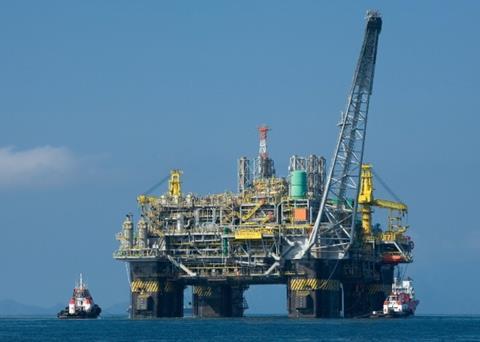
The UK Oil and Gas Authority released seismic data for the Rockall Trough and mid-North Sea High areas, acquired during a survey carried out last year. The UK government will use this data to initiate a new wave of licensing and exploration.
But, at the same point in time, EU institutions are negotiating a proposal to ban fishing vessels from deep sea bottom-trawling in many of the same zones, following heavy pressure from environmental groups.
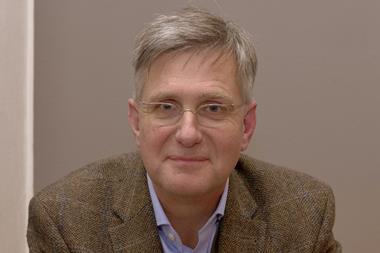
Javier Garat, president of Europêche, said: "Properly evidenced deep-water sea-bed activity is an accepted fact but one which contrasts sharply with the un-evidenced, emotive campaigns that attack well-controlled fishing activity.”
“Our fishing activities are sustainable so it is incongruous that the fishing footprint is being reduced whilst at the same time that of oil is being increased.”
Mr Garat argued that regulation of marine activity should not be segmented because there is more than one economic operation taking place.
He advised that a comprehensive and coherent policy is needed to ensure the preservation of sustainable industries and the protection of the marine seabed and vulnerable ecosystems.
Europêche believes that current deep-sea fishing activities strike the right balance between the protection of vulnerable habitats and species and the socio-economic sustainable exploitation of available resources.
Mr Garat concluded: “Huge efforts have been made by the fishing industry during the past few years to develop high-tech fishing methods and gears in order to minimise any possible impact on the environment.”
“We should be supporting measures endorsed by NEAFC which enable a more straightforward approach to both management and monitoring and enforcement. Complex, technical fisheries policy must be based on science and not politics or grand media campaigns."