



Post-Brexit deal agreed
A new deal aimed at fixing post-Brexit problems in Northern Ireland has been reached by UK Prime Minister Rishi Sunak and President of the European Commission Ursula von der Leyen
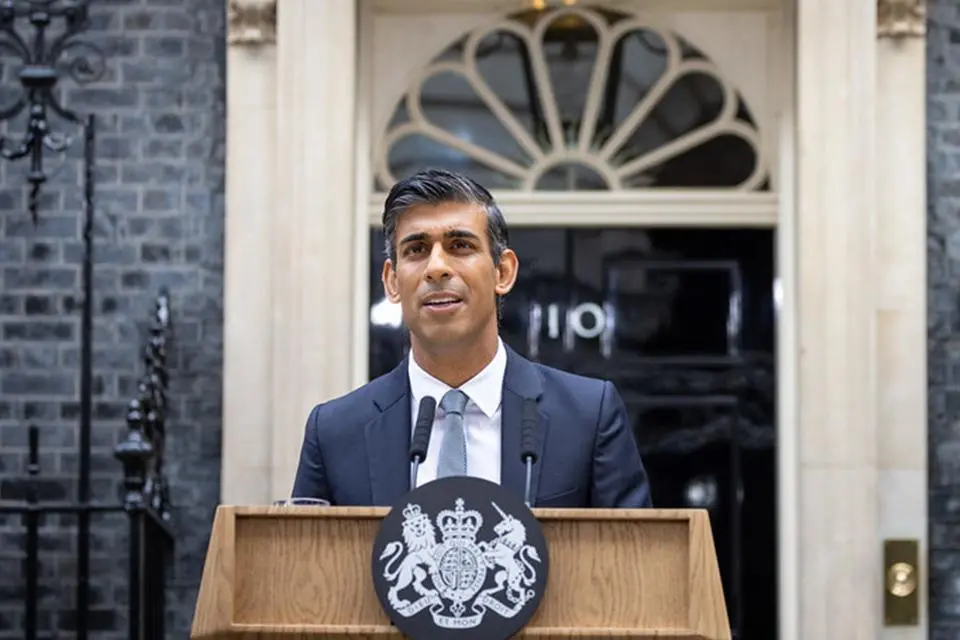
The agreement, named the “Windsor Framework”, replaces the old Northern Ireland Protocol, providing a new legal and UK constitutional framework.
Confirming the change, Sunak said: “It means food retailers like supermarkets, restaurants and wholesalers will no longer need hundreds of certificates for every lorry. And we will end the situation where food made to UK rules could not be sent to and sold in Northern Ireland.”
According to the UK government, the new agreement delivers free-flowing trade in goods between Great Britain and Northern Ireland by removing any sense of the border in the Irish Sea for goods staying within the UK. These goods will travel as normal through a new green lane without red tape or unnecessary checks, with the only checks remaining designed to prevent smuggling or crime.
It protects Northern Ireland’s place in the UK, replacing EU laws with UK laws and ensuring the people of Northern Ireland can benefit from the same tax policies, food and drink, medicines, and parcels as the rest of the UK, it advised.
The agreement rewrites the treaty text with a new Stormont Brake that means the UK can veto new EU goods laws if they are not supported by both communities in Northern Ireland, which goes far beyond previous agreements or discussions on the old protocol.
“Today’s agreement is written in the language of laws and treaties. But really, it’s about much more than that. It’s about stability in Northern Ireland. It’s about real people and real businesses. It’s about showing that our Union, that has lasted for centuries, can and will endure,” Sunak said.
The new green lane means traders moving goods destined for Northern Ireland will be freed of unnecessary paperwork, checks and duties, using only ordinary commercial information rather than burdensome customs bureaucracy or complex certification requirements for agri-foods.
All goods destined for the EU will use the red lane.
All requirements have been scrapped for trade from Northern Ireland to Great Britain on a permanent basis, including the requirement for export declarations.
The green lane will also be expanded to include food retailers such as supermarkets and hospitality businesses, significantly reducing SPS checks and costly paperwork, and ensuring choice for consumers on supermarket shelves. As such, a single supermarket truck that previously had to provide 500 certificates can now instead make a straightforward commitment that goods will stay in Northern Ireland.
Retailers will mark goods as “not for EU”, with a phased rollout of this requirement to give them time to adjust.
The agreement concludes months of intensive discussions between the UK and EU. Both parties have also agreed to work together to anticipate and deal with any other issues that may emerge and have made a joint declaration to resolve issues through dialogue, rather than formal dispute proceedings.
To give businesses and individuals time to prepare, the implementation of the agreement will be phased in, with some of the new arrangements for goods, agri-foods, pets and plant movements introduced later this year and the remainder in 2024. In the meantime, the current temporary standstill arrangements will continue to apply.
UK government will no longer proceed with the Northern Ireland Protocol Bill, as the UK and EU have come to a negotiated agreement. Similarly, the agreement will mean the EU withdraws all of the legal actions it had launched against the UK.
The deal has already been lauded by the UK’s salmon industry, with Tavish Scott, Chief Executive of industry body Salmon Scotland, saying that a thawing of the relationship between London and Brussels is “welcome news for all exporters.”
He said: “Since Brexit, the export arrangements for our members have been challenging with extra red tape, delays at the Channel, and continued labour shortages. We have managed to get through that, but an improved relationship will hopefully lead to an easing of the tensions and generate further sustainable growth of Scotland’s most successful food sector.”
Scottish salmon is the UK’s largest food export, with sales of £578 million in 2022. France was the top destination (£305m), while Ireland was the fifth biggest market with sales of £12 million.