



Braving Antarctic winter to study toothfish
A New Zealand ship has recently returned from a six-week winter research voyage to the Ross Sea where scientists have made the first observations of developing Antarctic toothfish embryos.
Principal fisheries scientist Dr Steve Parker and colleagues from the National Institute of Water and Atmospheric Research (NIWA) were on board the Janas, a deepwater longline vessel owned by Talley’s Group, for the second voyage ever during the winter to study the ecology and spawning patterns of Antarctic toothfish.
“We know that toothfish spawn in the winter but until now we had little information about where or for how long,” explained Dr Parker. “This research has uncovered further findings about the fish, their ecology, and how they reproduce.”
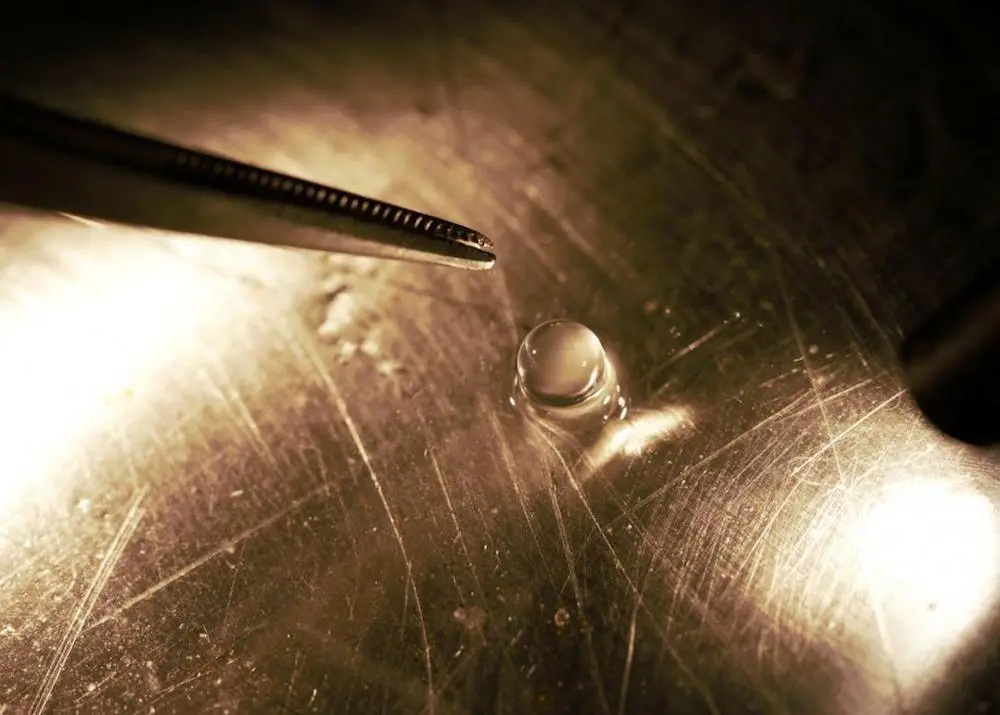
The survey was co-designed by NIWA and Ministry for Primary Industries (MPI) through the Antarctic Working Group, and funded by Talleys and MPI. Using plankton nets, the team collected toothfish eggs, which were kept alive and developing in a specially designed chamber.
“Biological sampling of adult fish and the developing eggs indicates Antarctic toothfish likely spawn in August,” continued Dr Parker. “This preliminary information, combined with the results from the 2016 June winter research survey, significantly informs our understanding of the spawning window for toothfish and shapes our understanding of their development cycle.”
Matthew Baird, senior policy analyst in MPI’s International Fisheries Management, said that this work is providing important information that will contribute to conservation in the Southern Ocean. This is managed through the Commission for the Conservation of Antarctic Marine Living Resources which New Zealand is a signatory to.
Related Articles
 FISHERIES
 FISHERIES
 WORLD FISHING EVENTS