




Bluefin tuna MSC certification criticised
A decision by the Marine Stewardship Council (MSC) to certify the first bluefin tuna fishery with its global standard for sustainable fishing has been met with criticism.
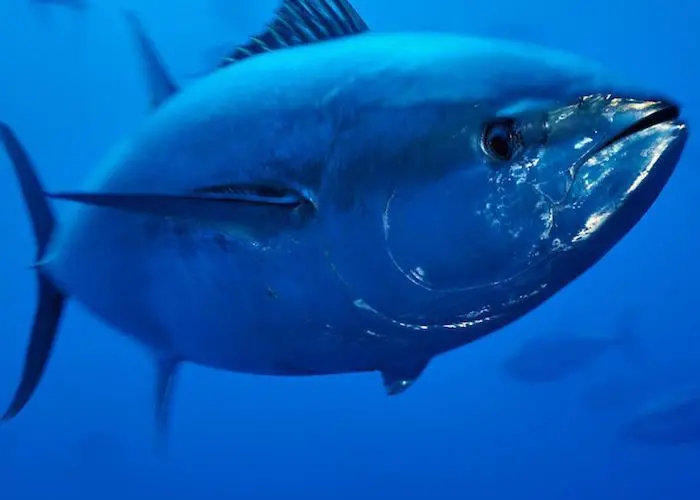
Japanese longline fishery Usufuku Honten’s certification is a significant development for Eastern Atlantic bluefin tuna which has been the subject of concerted conservation efforts for the past 20 years.
The certification comes with some improvements which the fishery must make as a condition of certification, however, WWF made an objection during the assessment process and remain “opposed” to the certification, believing it will “hinder the full recovery of one of the world’s most valuable fish stocks”.
The MSC’s chief science and standards officer, Dr Rohan Currey, said: “This certification reflects the positive, concerted action taken over many years, to support the recovery of bluefin in the Eastern Atlantic and we hope that Usufuku Honten achieving MSC-certification will raise the awareness of the importance of sustainably-sourced tuna with Japanese consumers.”
Assessment process
Over a two-year period, a single Usufuku Honten vessel was assessed by Control Union UK. In 2018, this vessel caught just 55t of Atlantic bluefin tuna out of 28,200t of the total allowable catch set by ICCAT. Usufuku Honten’s MSC certified catch is initially destined for sale in Japan.
The independent assessment team found that the bluefin tuna stocks in the Eastern Atlantic are now at a healthy level to be fished sustainably.
In the latest stage of the certification assessment process, independent legal expert, Eldon Greenberg, decided WWF’s concern had been dealt with in an action plan. The improvements specified as part of the MSC certification must be met within the next five years, and include one that requires the fishery to work with ICCAT, its member states and other fishing organisations – with support of the Fisheries Agency of Japan – to allow this bluefin tuna stock to recover further.
WWF said the required improvements confirms its “concern that the certification is premature and could put the long-overdue recovery of the bluefin tuna stock at risk”.
Related Articles
 FISHERIES
 FISHERIES
 WORLD FISHING EVENTS