




Better breeding for fish farms
Tweaking breeding methods to allow European fish farming to produce more fish efficiently, is the subject of a new EU funded project.
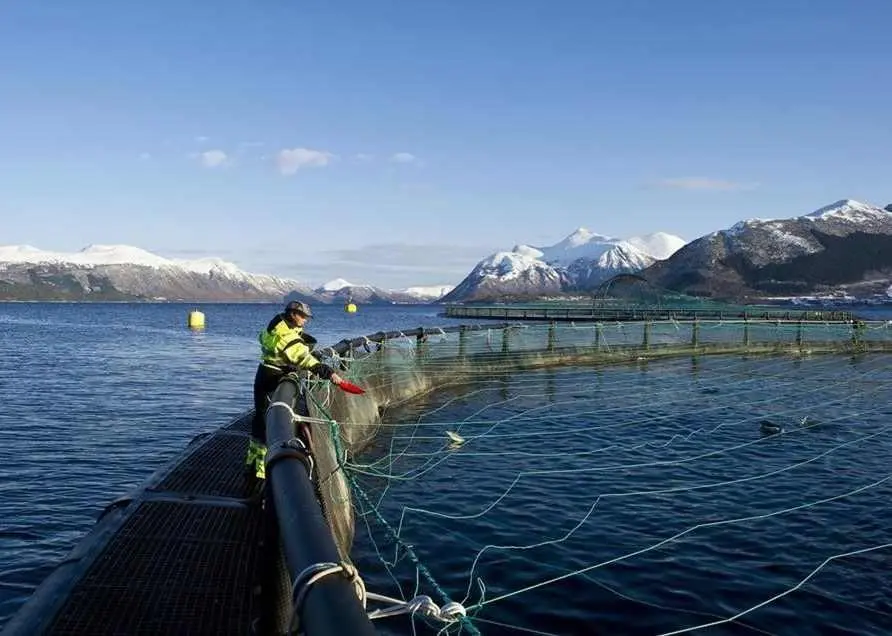
FISHBOOST is studying how hi-tech breeding techniques can promote disease resistance and fast, efficient growth in six commonly farmed fish species, improving fish welfare, impacts on wildlife and farm productivity.
“There is little breeding in European aquaculture and we want to make it better by improving ways to measure traits and develop more accurate selection methods,” said project coordinator Anna Sonesson from the Norwegian Institute of Food, Fisheries and Aquaculture research (Nofima).
“All work is done in close collaboration between RTD and industry – this is essential for a project like FISHBOOST”, explains Sonesson. By working with industry and other stakeholders – including animal welfare groups – researchers intend to show how advanced selective breeding technology can improve the efficiency and sustainability of European aquaculture.
The project is focussing on Atlantic salmon, common carp, European seabass, gilthead seabream, rainbow trout and turbot – while taking stock of social and industry views on acceptability and costs.
It involves no genetic modification, just a mixture of modern and traditional breeding methods.
One year into the five-year project, researchers have already tested families of fish that could breed disease resistance, preventing rather than curing sickness.
The next steps will include identifying the DNA linked to disease-resistance in these families, and using new DNA-based methods to select individuals to become parents of the next generation. The team is also developing software that uses genetic data to help choose parent fish for improved stocks, while further research is identifying fish with traits for more efficient fillet-production.
Related Articles
 FISHERIES
 FISHERIES
 WORLD FISHING EVENTS