
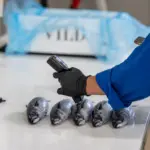

BAP program adds repacking plants
The Best Aquaculture Practices program continues to expand with the recent certification of several seafood reprocessing plants in the United States.
On 18 July, Rich Products Corp’s plant in Brownsville, Texas, was certified in compliance with the BAP certification standards developed by the Global Aquaculture Alliance to process shrimp and tilapia. The plant makes products for Rich’s SeaPak Shrimp & Seafood Co. retail brand, which markets frozen specialty shrimp and seafood.
Rich’s, the world leader in non-dairy toppings and icings, sells more than 2,000 products across 100 countries. It is a leading supplier of shrimp and seafood to both consumers and the foodservice industry.
“As a Founding Member of the Global Aquaculture Alliance, food safety and quality assurance have always been top priorities at SeaPak,” said Daryl Miller, senior marketing manager for SeaPak Shrimp & Seafood Co. “BAP is the most prestigious plant certification in the industry. It validates the excellence in best processing and production practices at our Brownsville plant and bolsters SeaPak’s role as a trusted source for premium seafood products.”
BAP certifications for two Slade Gorton and Co., Inc. plants were completed 13 July. The Slade Gorton facility in Boston, Mass., is certified to process tilapia, salmon, catfish and pangasius. The company’s Fort Lauderdale, Fla., plant can handle tilapia, salmon and catfish.
Slade Gorton is one of America’s largest importers, distributors and manufacturers of fresh, frozen and premium value-added seafood products.
“Slade Gorton is proud of its affiliation with GAA and to have received BAP certification for our East Coast plants,” Kim Gorton, company president and CEO, said. “Our legacy depends on the sustainability of the oceans’ resources as the most efficient and environmentally sound way to feed a growing global population. We are committed to supporting continuous improvements in responsible harvesting and farming practices, enhancements in food safety and traceability, and reducing the social impacts associated with global fishing practices.”
Related Articles
 SEAFOOD
 AQUACULTURE
 SEAFOOD