




Baltic Sea under threat, says Oceana
As the number of marine protected areas (MPAs) in the Baltic Sea and Kattegat continue to increase, little work is being done to actually protect them, leaving the area open to threat, says Oceana.
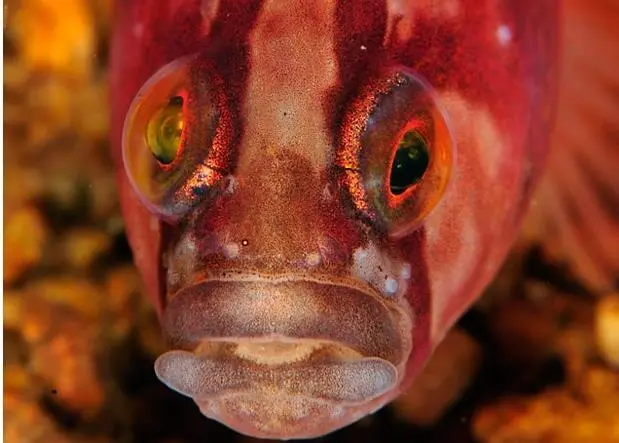
In its new report, which is based on information from governmental and inter-governmental bodies, Oceana says many MPAs completely lack plans that regulate the activities within them.
“It’s disappointing that the only place you can find protection in these areas is in their names,” said Hanna Paulomäki, Oceana’s Baltic Sea manager. “All nine Baltic countries have committed themselves to proper marine protection in order to reach a set of environmental targets. If they are serious about overturning the worrying state of the Baltic Sea, there needs to be a radical change of course.”
The report reveals the two major types of MPAs in the Baltic Sea: those that are a part of the Natura 2000 network, which forms the backbone of marine protection in the EU, and those belonging to the HELCOM MPA network (BSPAs), which a Baltic regional effort.
There are 388 Natura 2000 sites in the region, and 31% of them lack management plans, while 35% of the 163 BSPAs lack plans. The report also highlights that there are no MPAs in the Baltic Sea where fisheries are completely banned.
Of the management plans that do exist, many are just descriptive overviews of the areas, listing species, habitats and possible threats, says Oceana.
According to the report, fisheries are hardly ever regulated within the MPAs, even though some of the areas are feeding or breeding grounds for fish.
“There is very little to gain by mapping out an areas, writing down the different species that live there, and then calling it protected. Focus needs to be on better design and implementation,” added Christina Abel, Oceana’s marine scientist.
The Baltic faces a lot of threats that put its ecosystems under severe pressure and have caused it to become one of the most polluted seas in the world. Today, around 12% of the Baltic has been designated for protection.
Related Articles
 FISHERIES
 FISHERIES
 WORLD FISHING EVENTS