






Australian aquaculture increases in value
According to a report by the Australian Bureau of Agricultural and Resource Economics and Sciences (ABARES), the value of aquaculture has increased by 8% to around AUS$948m in 2010/2011.
The report, Australian fisheries statistics 2011, revealed that aquaculture has gradually increased its share of Australian fishery product earnings from 29% to 43%, with the farmed fish sector, particularly Atlantic salmon, contributing most to the increase.
Paul Morris, executive director, ABARES, said: “Farmed salmonids species remained Australia’s highest earning fisheries product in 2010/2011, at AUS$408.8m, after increasing its earnings by 11% or AUS$39.3m.”
The study also revealed that as tuna recovered globally, South Australian farmed tuna production also increased in earnings by 22% (AUS$22.9m) to AUS$125m, and farmed barramundi increased earnings by AUS$3.7m to AUS$35.7m.
In the same year, the increase in aquaculture value contributed to a rise in the total gross value of production of Australian fisheries by 2%, while wild catch fisheries production decreased by 2% to AUS$1.31m.
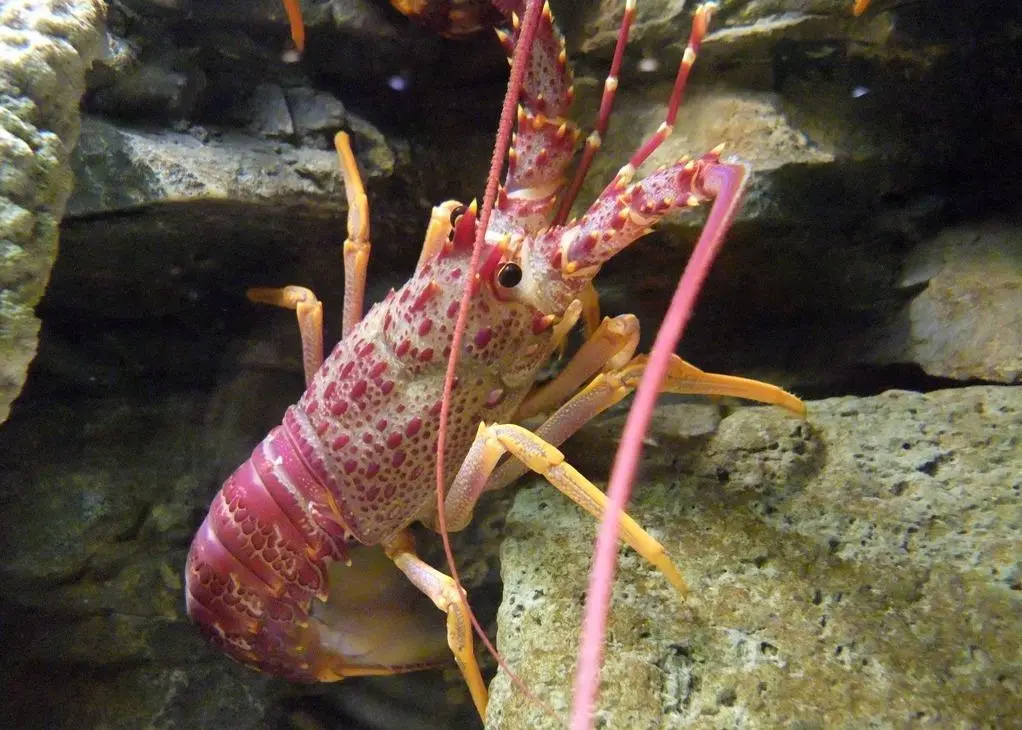
Australia’s fisheries exports remained steady, with rock lobster being the most valuable export (AUS$369m), followed by pearls (AUS$241m), abalone (ASU$212m), tuna (AUS$131m) and prawns (AUS$77m).
The country’s main export markets for the year were Hong Kong and Japan, followed by China, Singapore and the United States.
Related Articles
 FISHERIES
 FISHERIES
 WORLD FISHING EVENTS