


Figures just released show that less than 3.5% of the Australian seabed is affected by trawling. Although this figure varies regionally, it is among the lowest footprints recorded worldwide.
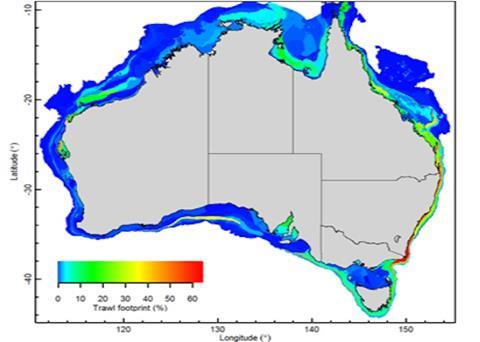
The Commonwealth Scientific and Industrial Research Organisation (CSIRO), funded by the Fisheries Research and Development Corporation, reviewed data from 217 seabed eco-regions around Australia and found that most had little or no exposure to trawling.
Varied picture
However, the picture is varied with some areas having footprints as high as 65%. High footprint areas will have their ecological risk assessed first. These include the Australian east coast from southern Queensland through shelf areas of New South Wales to eastern Victoria/Bass Strait — as well as western Tasmania to south east South Australia and the outer Great Australian Bight.
“Some eco-regions in these areas have high trawl footprints of between 30% and 65% trawled and typically have low protection - such as in fishery closures and/or marine reserves - and will need to be assessed first," said CSIRO’s Dr Roland Pitcher who led the research.
More assessment needed
The identification of the priority areas reflects potential, rather than confirmed risk to habitat. Future assessments need to determine the distribution of sensitive habitats within priority eco-regions and assess their level of risk.
The study was conducted in parallel with an international project that mapped trawl footprints in 24 regions world-wide. Trawl footprints in the five Australian regions were among the lowest of the 24 regions included in the study with European regions having the highest footprints.