
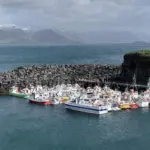

AquaMaof to build 2500 tonne RAS facility in Russia
A new 2500 tonne capacity recirculating aquaculture system for Atlantic salmon is to be built in Russia by AquaMaof Aquaculture Technologies in a €25 million project financed by local investors. The first batch of eggs are expected to be ready towards the end fourth quarter of 2019.
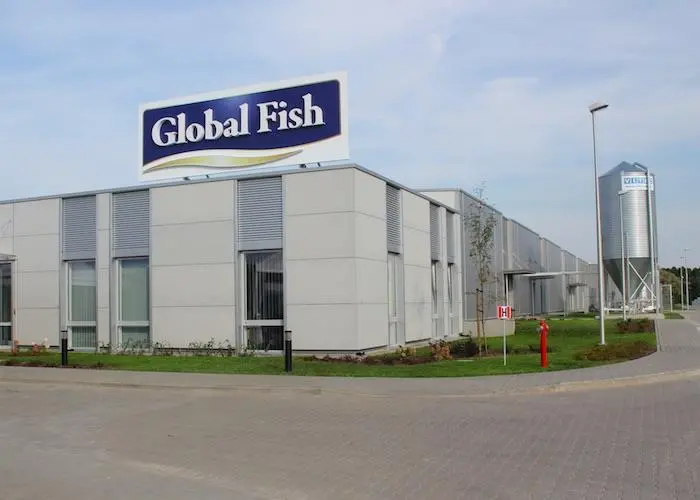
The contract was signed recently in the presence of Oleg Kurshinikov, governor of the Vologda region, between AquaMaof and a group of local investors for the design and construction of recirculating aquaculture system(RAS) facility, that will produce 2500 tonnes of market-size Atlantic salmon.
“We are extremely honoured to be selected by a group of esteemed local investors, after a thorough evaluation process, that carefully assessed several available RAS technologies,” said AquaMaof CEO David Hazut.
“We take great pride in supporting our customers in their mission to offer fresh, healthy, locally-produced salmon to the local population, which today consumes mostly frozen imported fish”.
“We are excited to embark on this unique project and confident in its success,” commented investor Alexander Churkin. “We have recognised the immense need for locally-produced, high-quality fish, free of antibiotics and other substances. Through a meticulous due-diligence process we examined several companies that can provide a turn-key RAS project, for the grow-out of salmon, and chose AquaMaof for its extensive and proven experience in similar projects. I am certain that we will have a constructive, fruitful co-operation.”
The new facility will include hatchery, nursery, and full grow-out areas, as well as management and operational zones. AquaMaof advanced Minimal Liquid Discharge (MLD) technology utilises proprietary water recycling techniques. At the core of the company’s RAS technology is efficient power consumption, dramatically reducing costs of energy.
According David Hazut, no antibiotics and no chemicals in the process allow for the production of healthy, natural product. Biosecurity is paramount, and complete environmental control ensure that fish are grown in an environment which promotes their highest health and welfare status. With a robust design and construction, the facility requires minimal maintenance, while optimised feeding modes and advanced feeding management systems facilitate reduction of the Feed Conversion Ratio (FCR) and operational costs.
“We will support our customers throughout the process, working closely with them to provide advice regarding nutrition, stocking, production parameters, and system maintenance,” he said.
“We will also train their staff to ensure complete independence in ongoing operations. This close support will continue long after the facility in operational, to ensure that the facility in not only producing high-quality healthy and tasty fish, but also succeeds financially and enables quick ROI to the investors.”
Related Articles
 AQUACULTURE
 SEAFOOD
 SEAFOOD