


Invasive species and fish waste are ramping up new commercial opportunities as seafood businesses seek resilient supply chains and higher-value fishing by-products.
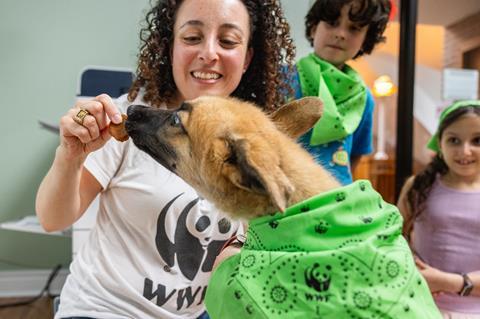
That’s according to the World Wildlife Fund (WWF), which says emerging technologies and new business models are helping reshape how the seafood and aquaculture sectors approach invasive species, circularity and resource efficiency.
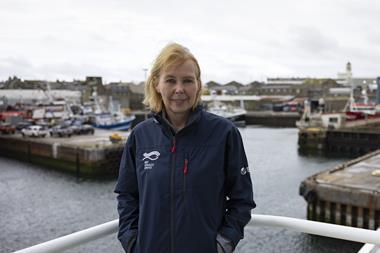
Julia Kurnik, senior director of innovation startups at WWF, participated in the conference session “From Pest to Profit: How Using Invasives Benefits Businesses and Ecosystems,” at Seafood Expo Global 2026, which examined how invasive species can be transformed from ecological threats into commercially valuable products.
“The food system is the biggest single impact that people have on the environment, but food supply chains are also being buffeted in the face of climate change, global pressures, and societal changes,” Ms Kurnik says.
“This presents myriad opportunities to explore new technologies and business models to proactively engage with these pressures and changes, building a more resilient food system that works for the environment, for people and for businesses.”
The need for circularity
Ms Kurnik says the growing focus on invasive species reflects mounting environmental and economic pressures facing global food systems.
According to WWF, invasive species contribute to 60% of global extinctions and generate annual economic costs of approximately $423 billion worldwide, with impacts increasing rapidly over time.
While eradication remains possible for some species, Ms Kurnik says others have become permanently established in regional ecosystems, requiring alternative management strategies.
Developing markets around those species, she explains, offers seafood businesses an opportunity to reduce ecological harm while creating new revenue streams from previously underutilised resources.
“Creating markets for those endemic invasive species provides a chance to lower the density and limit spread of those species, building new supply chains while minimising harm,” she says.
Potential applications extend well beyond conventional seafood consumption.
Ms Kurnik pointed to growing interest in using invasive species across human food markets, aquaculture feed, pet food and other value-added sectors.
The approach also aligns with increasing industry attention on reducing fish waste and maximising utilisation of fishing by-products through circular economy models.
From pest to profit
Among the businesses highlighted by Ms Kurnik is Inversa, which produces premium leather products using invasive carp, lionfish, iguana and python.
Carp continue to spread across waterways in the United States, while lionfish remain a major concern in both US and Mediterranean marine ecosystems.
Ms Kurnik says Inversa’s traceability systems help ensure species are harvested specifically from areas where they pose ecological threats.
By converting those materials into luxury products, the company is demonstrating how invasive species can generate commercial value beyond traditional seafood channels.
Another company she highlights is Pezzy Pets, which incorporates some of the same invasive species into pet treats and companion animal products.
Ms Kurnik notes that collaboration between companies such as Inversa and Pezzy Pets demonstrates how businesses can utilise different parts of the same species, reducing waste while improving commercial efficiency.
“What is particularly exciting is that companies like Inversa and Pezzy Pets partner on some of the species, utilising all of an invasive species which decreases waste, decreases company costs and creates a system of circularity,” she says.
Sustainability expectation
The emphasis on circularity and fishing by-products is becoming increasingly important as seafood companies face tightening sustainability expectations from regulators, retailers and consumers.
Maximising resource efficiency while diversifying raw material inputs could also help businesses manage growing supply chain uncertainty linked to climate change and shifting fish stocks.
To support wider adoption of these models, WWF recently launched a new ’Market use of Invasive Species’ framework designed to help businesses evaluate both ecological and commercial considerations when developing supply chains around invasive species.
Ms Kurnik says the framework was developed partly in response to a long-standing disconnect between ecological research and the operational needs of industry stakeholders seeking practical guidance on commercialisation opportunities.
“There has historically been a disconnect between the questions that businesses need answers to and the work that the ecological community has been doing,” she says. “We’re hoping this will help to bridge that divide.”
WWF is now seeking to expand collaboration with companies and industry groups to further refine the framework, potentially creating sector-specific guidance for seafood, aquaculture and other industries.
Ms Kurnik says the longer-term objective is to create scalable models that balance commercial opportunity with environmental safeguards, while encouraging broader understanding of how invasive species can support more resilient food systems.