


Antarctic MPA talks fail
The Pew Charitable Trusts reports that Russia, with some support from the Ukraine, has stalled progress on establishing marine reserves in the Antarctic.
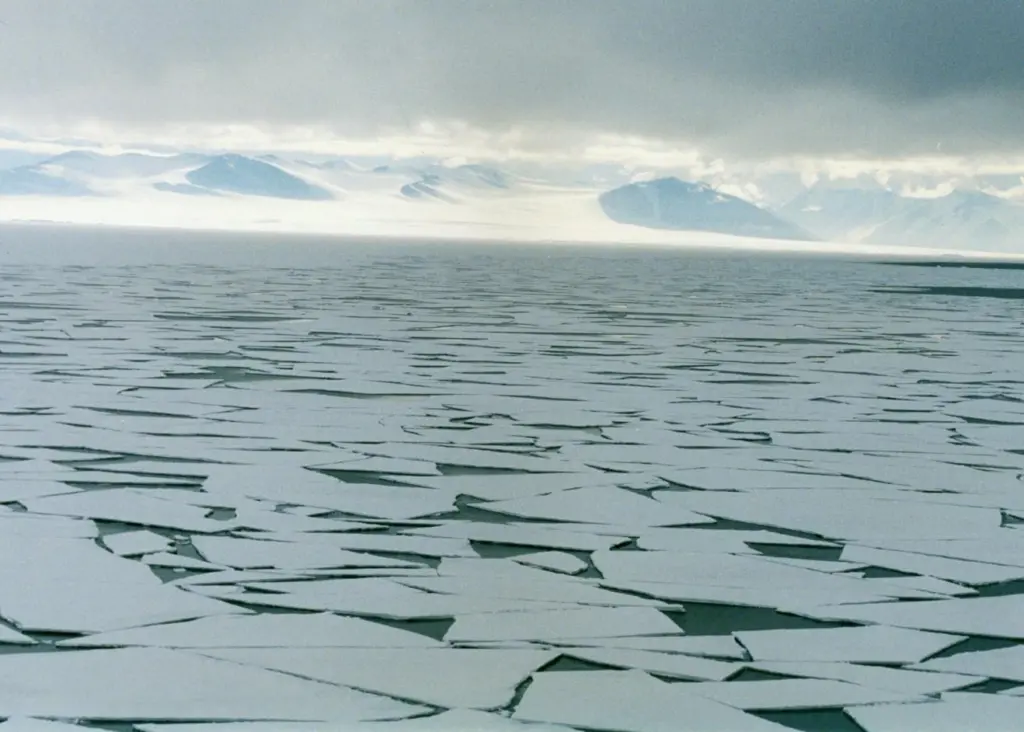
The Commission for the Conservation of Antarctic Marine Living Resources (CCAMLR) called a special meeting between 24 countries and the European Union to reconsider the marine protections after it failed to approve them when they were first proposed in October 2012. It is rare that special meeting ss called, and this one was requested by the Russian delegation.
Russia challenged CCAMLR’s legal authority to create marine protected areas (MPAs), but news reports attribute the resistance of Russia and the Ukraine to their fishing interests, fearing that they could be compromised in some way.
“The actions of the Russian delegation have put international cooperation and goodwill at risk, the two key ingredients needed for global marine conservation,” said Andrea Kavanagh, director of The Pew Charitable Trusts’ Southern Ocean sanctuaries project. “That we missed a critical opportunity to protect some of the most pristine ocean areas on Earth is a loss for the ecosystem and the international community. We urge world leaders to appeal to Russia to work with other countries, and it is imperative that countries send their delegates back to the table in three months to find consensus to protect Antarctic waters.”
The proposed Southern Ocean protections included a Ross Sea marine reserve of 1.6 million square kilometres – where no fishing would be allowed – within a 2.3 million square kilometre marine protected area, and seven marine protected areas on the East Antarctic coast, covering an additional 1.6 million square kilometres. The Ross Sea plan was proposed by the United States and New Zealand; the East Antarctic protections were championed by Australia, France, and the EU.
Related Articles
 FISHERIES
 FISHERIES
 WORLD FISHING EVENTS