

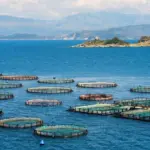




Anchovy worth more as food than feed
Canadian and Peruvian researchers have found that Peruvian anchovy is much more valuable as food for human consumption than as fishmeal.
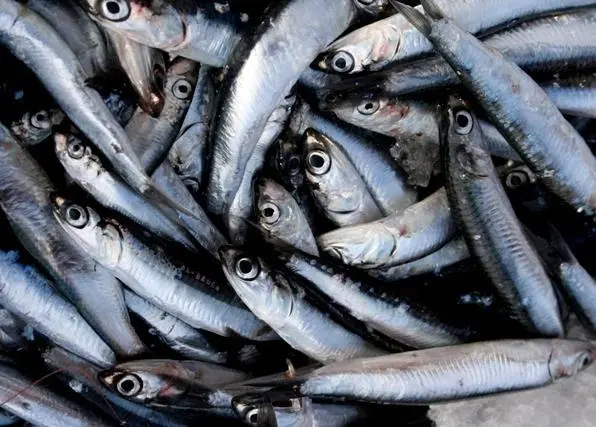
Peruvian anchovy is the world’s biggest fishery resource, with annual landings of five to 10-million metric tons. It generates up to one-third of the world’s fishmeal supply. But despite accounting for upwards of 80% of Peruvian landings by weight, it is only responsible for 31% of the sector’s revenue.
“It hasn’t lived up to its true economic value because almost all of it is ground up for low-value fish oil or fishmeal”, said Villy Christensen, a professor in the University of British Columbia Fisheries Centre.
Christensen and colleagues at the Centre for Environmental Sustainability (CSA) at Cayetano Heredia University in Peru calculated the economic impact of anchovy and other Peruvian fisheries. They found that artisanal fishers, wholesalers, markets and restaurants generated US$2.4 billion per year, or 69% of total revenue. Meanwhile, the fishmeal industry generated only $1.1 billion, or 31% of revenue.
“Current Peruvian regulations only allow anchovy caught by artisanal or small boats to be used for human consumption, forcing the majority of the landings to be exported as fishmeal,” says Patricia Majluf, CSA Director and the project’s Peruvian lead.
“There are far more economic and food security benefits to Peru to channel fisheries for human consumption,” adds Ms Majluf, who launched a campaign in 2006 to encourage Peruvian chefs to incorporate anchovy on their menus. “We need to reform our laws to allow anchovy fishery to reach its full economic potential.”
Related Articles
 FISHERIES
 FISHERIES
 WORLD FISHING EVENTS