






30% of catch unreported, says study
A new study has found that countries drastically underreport the number of fish caught worldwide, and the numbers obscure a significant decline in the total catch.
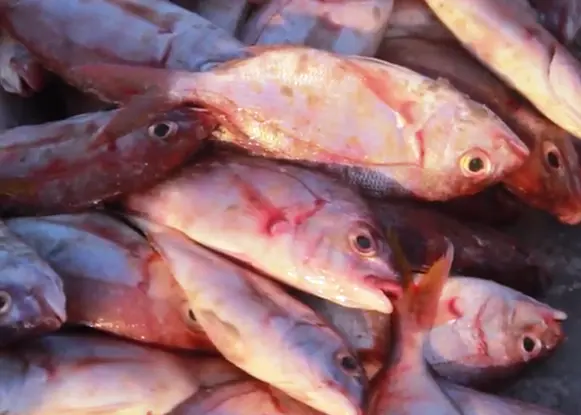
The new estimate puts the annual global catch at roughly 109 billion kilograms (109 million metric tons) – about 30% higher than the 77 billion officially reported in 2010 by more than 200 countries and territories. This means that 32 billion kilograms of fish goes unreported every year.
Researchers led by the Sea Around Us, a research initiative at the University of British Columbia supported by The Pew Charitable Trusts, and Vulcan Inc., attribute the discrepancy to the fact that most countries focus their data collection efforts on industrial fishing and largely exclude difficult-to-track categories such as artisanal, subsistence, and illegal fishing, as well as discarded fish.
“The world is withdrawing from a joint bank account of fish without knowing what has been withdrawn or the remaining balance,” said UBC professor Daniel Pauly, a lead author of the study and principal investigator of the Sea Around Us. “Better estimating the amount we’re taking out can help ensure there is enough fish to sustain us in the future.”
Accurate catch information is critical for helping fisheries officials and managers understand the health of fish populations and inform fishing policies such as catch quotas and seasonal or area restrictions.
For the study, Professor Pauly, his co-author Dirk Zeller, and hundreds of their colleagues around the world reviewed catch and related data from more than 200 countries and territories. Using a method called catch reconstruction, they compared official data submitted to the UN Food and Agriculture Organization (FAO) with estimates obtained from a broad range of sources, including academic literature, industrial fishing statistics, local fisheries experts, fisheries law enforcement, human population, and other records such as documentation of fish catch by tourists.
“This groundbreaking study confirms that we are taking far more fish from our oceans than the official data suggest,” said Joshua S. Reichert, executive vice president and head of environment initiatives for Pew. “It’s no longer acceptable to mark down artisanal, subsistence, or bycatch catch data as a zero in the official record books.”
A copy of the paper published in Nature Communications is available here.
Related Articles
 FISHERIES
 FISHERIES
 WORLD FISHING EVENTS