



$1bn illegal fishing industry could destroy Africa’s fish stocks ‘within years’
International Development Minister Gareth Thomas has issued a stark warning that, if action isn’t taken immediately, illegal fishing could have a devastating impact on fish stocks off the coast of Africa.
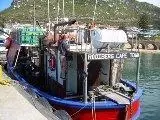
Experts say unless much tighter regulation and policing are introduced, the overfishing will also lead to the demise of the local, more small-scale fishing industry, upon which tens of thousands of fishermen and women depend for their livelihood.
The continent’s vast reserves of fish stocks are rapidly dwindling due to industrial fishing boats catching massive quantities of fish for export. They end up only keeping around a quarter of their catch – throwing the rest back dead. Many then sell their catch on illegally.
Experts say the problem costs African countries over £600 million ($1bn) a year, and devastates local economies which rely on the fishing trade.
Speaking at an Environmental Justice Foundation event in London last week, Mr Thomas issued the warning that if illegal fishing continues at its current rate, fish stocks will be devastated within years.
Apart from the disastrous environmental impact, millions of people whose lives depend on the fishing industry will not have a way to make a living, and will be pushed back into poverty, he said. “It is time to finally end the scourge of illegal fishing off the coast of Africa. While huge factory ships catch vast and unsustainable quantities of fish, many traditional fishermen are unable to catch enough to make a living.
“The problem for them is worsening rapidly. I call on world leaders and regulators to take a much more effective approach to monitoring fish stocks, policing fishing and fishing rights, and ensuring that fish stocks survive for generations to come.”
Mr Thomas referred to the new Partnership for African Fisheries programme that DFID is funding through the African Union and the New Partnership for Africa’s Development (NEPAD).
The £7m programme will address both illegal fishing and create better management of the fisheries.
Related Articles
 FISHERIES
 FISHERIES
 WORLD FISHING EVENTS