




UK Fisheries Bill targets autonomy
The newly published UK Fisheries Bill focuses heavily on controlling who fishes in UK waters and revokes the automatic access rights of EU vessels.
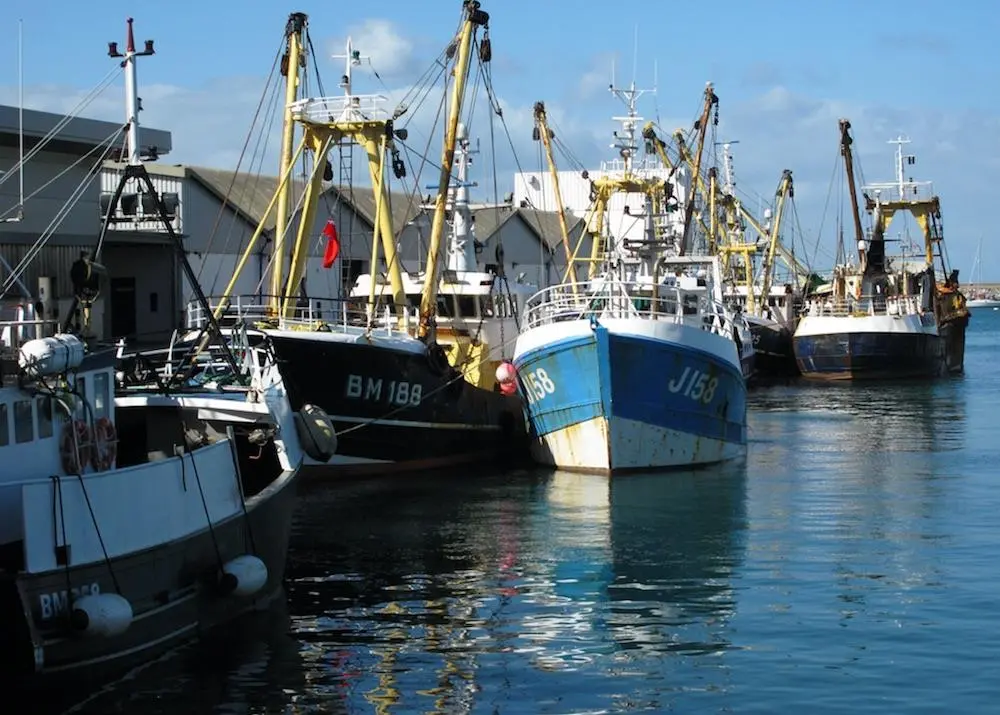
Under the bill, foreign boats will be required to be licensed to fish in UK waters and will follow the UK’s rules; new powers will be introduced for the UK to set catch limits, revoking the EU’s powers to set UK quotas; and there will be equal access for UK fishing boats across UK waters.
The National Federation of Fishermen’s Organisations (nffo) said: “Fishermen in the UK have waited for 40 years to address the imbalances within the CFP. These have worked systematically to the UK’s disadvantage and this Bill is an important part of that rebalancing process.”
Sustainability
The bill also addresses safe limits for overall fishing levels. The UK government and DAs will agree a Joint Fisheries Statement setting out how sustainability objectives will be met. UK government will then prepare and publish a Fisheries Statement setting out how a further set of objectives will be met in England.
There will also be new powers for the UK and devolved administrations to protect the marine environment; new powers to update technical regulations, respond to science and meet international obligations; a new scheme to help fishermen comply with the discard ban; and updated grant making powers.
Post-publication there has been some scepticism over the strength of the bill to deliver its sustainability commitments.
ClientEarth UK Environment Lawyer Sarah Denman commented: “The government was aiming for the sustainability gold standard for these laws, but it has fallen short. It’s positive to see sustainable objectives in this bill but legally, it is very unclear as to how sustainability will actually be enforced – the bill simply isn’t strong enough.
“With the looming threat of a no-deal situation, we are not confident that this bill is legally robust enough to protect our fish stocks in the short term or the long-term.”
Related Articles
 PROCESSING & REFRIGERATION
 FISHERIES
 FISHERIES