






Tuna stomach analysis for better fisheries
Dr Valerie Allain has been analysing two thousand frozen tuna stomachs at the Secretariat of the Pacific Community (SPC) in Noumea – all in order to promote better fishery management.
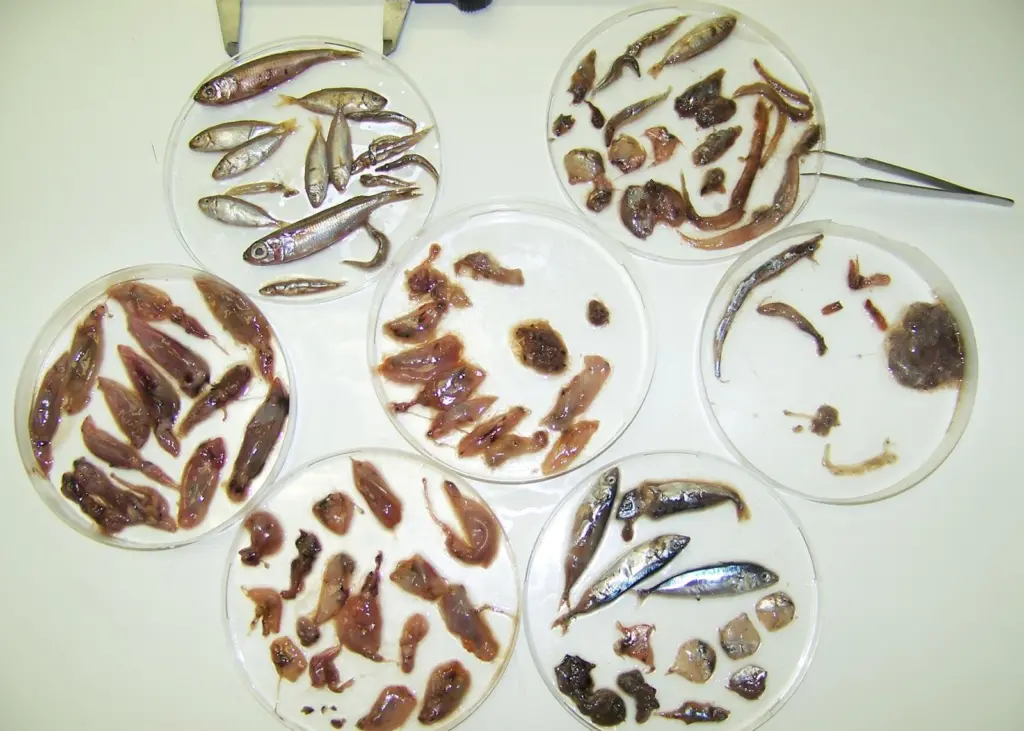
Dr Allain has discovered that reef organisms drifting in the ocean play an important part in the diet of larger fish – analysing food chains can reveal any change in habit or potential problems that can affect fishery stocks.
She explained: “This is the first time anyone has been able to demonstrate the importance of reef species in oceanic food webs at such a large geographic scale.”
It has been estimated that the western Pacific contains 1.5m tonnes of yellowfin tuna, and Dr Allain has discovered that they consume nearly 800,000 tonnes of reef prey every year. “By inspecting the contents of the stomachs of tuna and other large fish predators, I can tell what they have been eating and any changes in their diet”, explained Dr Allain.
“The more we know about tuna – what they eat and who eat them – the better we can manage the whole fishery”, she added.
And it’s worth the effort – the industry is worth USD$6bn per year so is incredibly important to the 26 Pacific Island Countries and Territories (PICTS).
Dr Allain works closely with independent observers who count and measure fish. Species are identified along with the location of the catch, any by-catch, and then specimens are collected, in this case stomachs, for further analysis.
The results of Dr Allain’s work are based on analysis of the contents of 8000 tuna stomachs over a 10 year period. The full report is published in the international journal PLoS ONE
Related Articles
 FISHERIES
 FISHERIES
 FISHERIES