





The unavoidable trend
Introducing Andrew Martin – World Fishings new processing columnist.
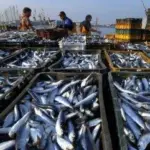
More fish is being processed than ever before – and not just on land, but also increasingly at sea. The days when fish were caught and brought ashore for sale whole on the open market have gone for good in many countries and are fast disappearing in others.
Even in those parts of the world where customers still want to see eyes and gills to determine freshness for themselves, and want to shop and prepare meals on a daily basis, this way of life will soon be consigned to history.
Convenience is the key, of course. People no longer have the time to go to the fish market, or the fishmonger – even if they could find one – in the morning, and then to prepare and cook a meal for the family to eat during the day or in the evening.
Preparing a meal from whole fish is also now beyond the abilities of most people in western countries. They would far rather buy a portion of boneless, skinless fillet in a tray pack from the supermarket at the very least.
And the supermarkets are taking advantage of this. The trend to pre-packaged fish is irreversible.
But things have gone further than that. Ready-to-eat and ready-to-heat seafood is now becoming the norm where nothing is required other than to put a product into a microwave oven and take it out and eat it a few minutes later.
So, how does this change in lifestyle affect the fish industry? As was said earlier, processing is now a key element in the chain from catcher to consumer. And the catcher is often the processor as well.
Whole processing lines are being installed in vessels that then become floating factories. Space is a constraint, of course, but fish can be caught, filleted, portioned and packed in retail cartons ready to go straight on to the supermarket shelf – or more likely into the frozen food cabinet.
The more complicated products will be prepared on land, but even here the fish part of the meal could be semi or fully processed at sea.
Processing itself is changing fast, driven by the high cost of labour on the one hand and the scarcity of raw material on the other. Therefore processing equipment is becoming more sophisticated, and robots are even now being used to replace people doing repetitive jobs
Demand for fish is rising. Even if per capita consumption doesn’t increase, the world’s population is growing, so more fish is going to be required to feed people at the same level as before. And the overall supply of fish won’t sufficiently increase to fill the gap.
So, the seafood industry has to make the most of the raw material it can get, particularly as this is becoming more expensive anyway. Computers ensure that fish is being processed as effectively as possible, and yields are monitored from start to finish. Making the most of by products is now a top priority.
Make sure that you keep abreast of what is happening in this dynamic sector; it will benefit your business.
Related Articles
 PROCESSING & REFRIGERATION
 SEAFOOD
 SEAFOOD