


Chile’s Vice Minister of Fishing, Pablo Galilea, has announced that Chile has plans to maintain its position as a world power in fisheries and aquaculture, and believes that his country’s new fisheries law is just the tool to help Chile achieve this goal, reports Carly Wills.
Chile’s ambitious new fisheries law (New General Law on Fisheries and Aquaculture No. 20.657) was presented during the European Seafood Exposition, held in Brussels in April. The main points of the law are sustainability, research, and inspection.
The Government of President Piñera believes that “with this law, everybody wins: the environment, fishermen, fisheries resources, small and medium-sized enterprises, and the country”.
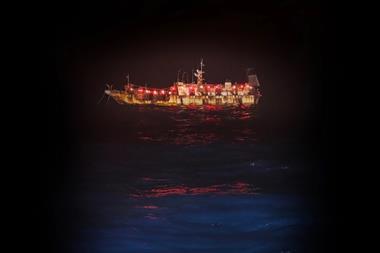
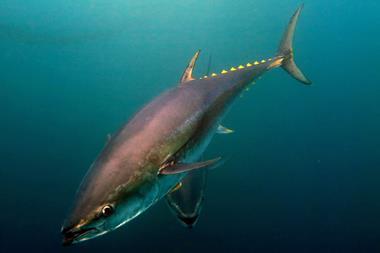
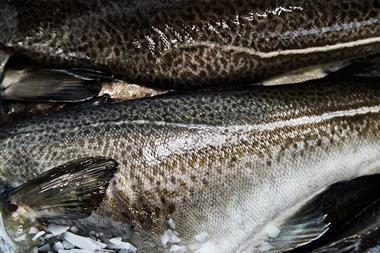
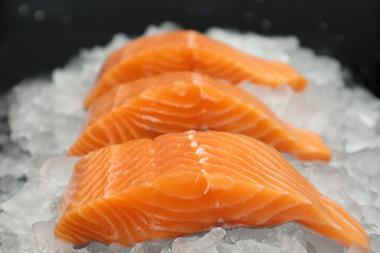
Chile exports seafood to over 100 destinations, and is a leader in trout farming, the second largest producer of salmon in the world, and an important provider of mussels. Fishing for many species takes place along Chile’s extensive coastline, including: anchovy, mackerel, horse mackerel, sardines, hake, shrimp, squid, giant squid, toothfish, Chilean sea bass, sea urchins and clams. Other aquaculture species include abalone, oysters and cobia.
Sustainability
The primary objective of the new fisheries law is to ensure the sustainability of the fisheries resource. Under the new law a number of measures will be taken to achieve this, including introducing sustainable management standards such as Biological Reference Points (BRP) and Maximum Sustainable Yield. New definitions to assess fishery resources will now be classified as incipient, under full exploitation, overexploited, and collapsed, and under the new law it is mandatory for an Annual Public Account to be made so that the status of fish stocks is available to everyone.
Previously, Chile managed its resources based on a number of criteria (social, economic etc.), but never biological criteria or science – now a major aspect of the new fisheries law is to ensure that scientific advice is imposed over political or commercial considerations when it comes to making decisions such as setting quotas and area closures.
Plans are in place to establish Technical Scientific Committees (eight for fisheries and three for aquaculture), under the responsibility of the Fisheries Research Agency (IFOP), to ensure that the Undersecretariat for Fisheries and Aquaculture has the information required to make these decisions.
The research aspect of the new law is very important, according to Mr Galilea: "If we know our seas better we will make better decisions”, he said.
Measures to protect Vulnerable Marine Ecosystems will also be taken, including the prevention of bottom fishing in these areas until it is proven that it does not cause damage to the areas that are rich in coral, fish and hydrothermal vents.
Inspection
An important part of proving that Chilean fish is sustainable is being able to show what has been caught and what has been landed. The National Fisheries and Aquaculture Service (Sernapesca) has received a significant increase to its budget to implement measures to ensure that all catches and landings are reported. If there are any discrepancies then they will be charged to the reporting fisherman.
It is Sernapesca’s responsibility to determine ports and authorised landing sites, implement and supervise the use of satellite positioning devices, the use of onboard cameras and landing certification.
Licenses
Temporary Tradable Fishing Licenses have been introduced for vessels over 12m in length. These licenses are divisible and last for 20 years. After this period they can either be renewed or, depending on whether the owner has been responsible to the environment, fishing and regarding labour matters, rendered expired.
These licenses are also required to pay a patent and a specific tax, ensuring equal or higher revenues for the State.
Aquaculture
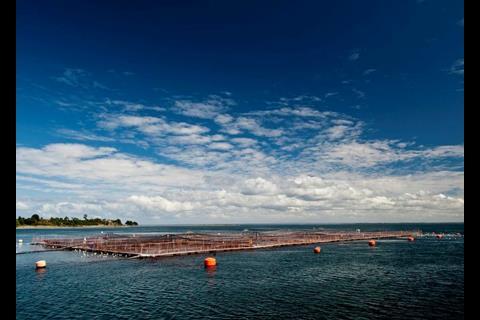
In 2010 Chile agreed a package of measures to help restructure the aquaculture sector, following the outbreak of the ISA virus in 2007 which devastated the salmon industry. Major changes were made regarding food safety and the prevention of disease-related problems in the future.
The industry is now strictly inspected by the government and action is taken on any violations.
“The new procedures are a measure of reassurance and bring with them much lower health risks for the salmon industry than in 2007,” said Mr Galilea.
The procedures introduced include: prohibition of new fish stocking or continuing operations where there are negative environmental indications; stock density directives for salmon growing areas; concessions for aquaculture limited to 25 years (and only considered for renewal if environmental impacts have been minimal); strict legislation for drug use; and strengthened legislation to prevent the escape of culture species.
All of these measures show that Chile is serious about maintaining its position as one of top 10 world powers in fisheries and aquaculture. “We aim to provide a range of high quality seafood products to European and emerging markets, with sustainable fisheries and aquaculture production at its core”, said Mr Galilea.
Mr Galilea also said that Chile has plans to diversify its fisheries production into other areas of the country and to different species.