



Protecting fisheries in the pacific – part 1
The six country regional cooperation programme will combine technical expertise and funding from multilateral development agencies, NGO’s and donor governments to develop sustainable coastal and marine resources management in the ‘Coral Triangle’ region of the Pacific. The programme is planned to ensure the survival of world’s largest coral reef resources while supporting ongoing commercial fishing operations that rely on the region’s reefs for their success.
The Coral Triangle Initiative groups Indonesia, Malaysia, Papua New Guinea, the Philippines, Solomon Islands and Timor Leste. The countries are located in the Coral Triangle region which is situated along the equator at the confluence of the Western Pacific and Indian Oceans.
The Coral Triangle is an area of ocean covering 5.7 million square kilometres that is considered the epicentre of marine life abundance and biodiversity on this planet. According to scientists, the region has 76% of all known coral species, 37% of all known coral reef fish species, 53% of the world’s coral reefs and is home to about 3,000 species of reef fish.
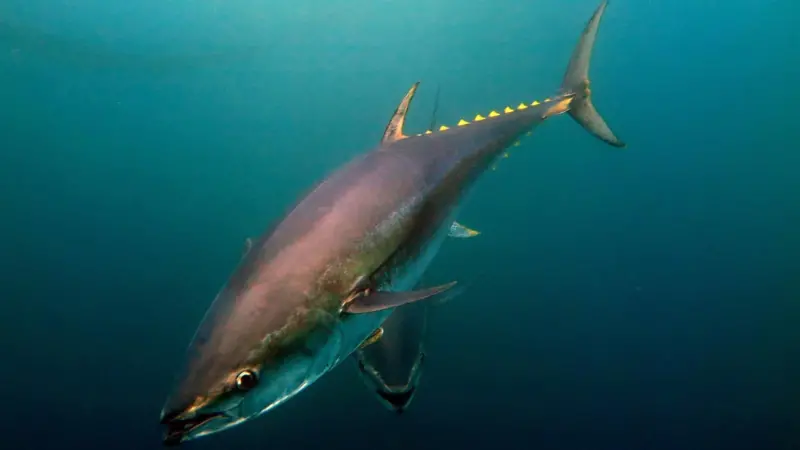
In addition to having the greatest extent of mangrove forests in the world the Coral Triangle also is the spawning and juvenile growth area for the world’s largest and most valuable tuna fishery.
Proposed by Indonesian President Susilo Bambang Yudhoyono, the Coral Triangle Initiative is supported by the six core countries to improve and expand coastal and marine resources management. The initiative is being launched at a time when the Coral Triangle region’s resources are at risk from a range of factors including overfishing, unsustainable fishing methods, climate change and the discharge of land-based pollution.
Overfishing, environmental pollution and the present lack of effective sustainable marine and coastal resource management affect the food security and employment opportunities of more than 120 million people living in coastal areas throughout the Coral Triangle region who depend on fishing, tourism and other coastal and marine resources for their livelihood.
As the population numbers suggest, fishing is an important sector in all six countries participating in the Coral Triangle initiative. Fishery production in Indonesia totalled 8 million metric tons (mt) in 2007 with marine capture representing 4.9 million mt or 63% of total fisheries production.
Fisheries output in the Philippines in 2007 was 3.2 million mt with 2.5 million mt or 78% derived from marine capture activities.
Malaysia’s fisheries sector produced 1.5 million mt in 2007 of which the marine capture share was 1.27 million mt or 85% of the catch.
Papua New Guinea is most reliant on marine capture with 99% or 500,000 mt of the annual 507,000 mt annual fisheries production being caught by fishing boats.
“The big Coral Triangle Initiative event was at Manado where the six heads of state were together from the Coral Triangle countries,” commented David McCauley, principal climate change specialist at the Manila-based Asian Development Bank which is coordinating resource mobilisation for the Coral Triangle Initiative. “This initiative has unique features as it takes a lot of political commitment to deal with environment and natural resources. It’s hard to get country leaders’ attention, but fisheries and tourism are big items and this got the Coral Triangle country leaders’ attention.
“The level of political commitment to this initiative signifies the countries want to protect their resources with better fishery and resource management. It’s a wind of change from the country leaders for marine and coastal resource sustainable management.”
The Coral Triangle Initiative is a regional cooperation programme that will assist fishery and coastal management development in the individual participating countries through the implementation of local fisheries projects that involve training fishermen, government fishery officials and others the methods of sustainable fisheries management. In addition other projects will be launched to modernise fishing boats and fishing gear, improve fish storage facilities and encourage development of modern fish processing to add value to the fish catch for the local fishing communities.
Core funding for the Coral Triangle programme will come from the Global Environment Facility (GEF), a multilateral agency funded by mostly OECD and developing countries. GEF has an annual budget of about US$750 million to finance activities supporting global environmental objectives in areas such as climate change, biodiversity conservation and the management of international waters, all of which are involved in the Coral Triangle programme.
GEF originally pledged up to US$63 million to support the Coral Triangle Initiative of which $40 million has been allocated to various projects so far.
According to Mr McCauley, other partners supporting the initiative include the United States, which has pledged $42 million to fund projects in the Coral Triangle programme, and the Australian government. The United Nation’s Food and Agriculture Organisation (FAO) and the United Nations Development Programme also will be involved, undertaking smaller projects that assist the development of sustainable fisheries such as advising on fishing techniques that reduce harmful and wasteful bycatch of turtles, dolphins and trash fish.
“The Coral Triangle partners also are working with three NGOs – the World Wildlife Fund, Nature Conservancy and Conservancy International who are bringing their expertise and field presence,” Mr McCauley noted. “The Asian Development Bank (ADB) is the lead agency for financial mobilisation. Including project grants and ADB project loans over $350 million is being programmed for the Coral Triangle Initiative.”
The six member countries recently set up the Coral Triangle Initiative regional secretariat in Jakarta and have just appointed staff. Although some coordination functions will be handed over to the regional secretariat the ADB will continue to coordinate financial resource mobilisation for the programme.
Meanwhile, in launching the Coral Triangle Initiative, the six cooperating governments are due to undertake an agreed regional action plan and prepare national action plans for local implementation. The governments have committed themselves to setting targets for the protection of threatened marine species, to establish protected marine areas and to apply an “ecosystem approach” to fisheries and marine resource management.
The cooperating governments also have agreed to set goals for the management of scenic coastlines important to tourism and to introduce measures to help marine resources adapt to climate change.
“Combining government organisations, multilateral and bilateral agencies, and NGOs in a project like this is unique,” Mr McCauley commented. “An integrated approach is needed as you cannot look at some issues in isolation. For example, better marine management and regional foreign relations may be involved, especially for tuna as they hatch in Southeast Asia in the Philippines, Malaysian and Indonesian waters and then move to the Pacific when they grow.”