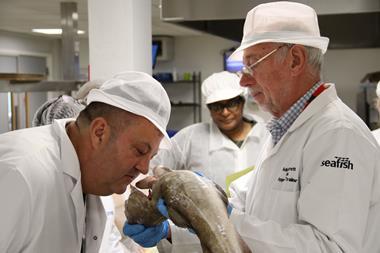





The OECD Review of Fisheries has revealed that fisheries production in OECD countries has continued to decline despite strong growth in Asia.
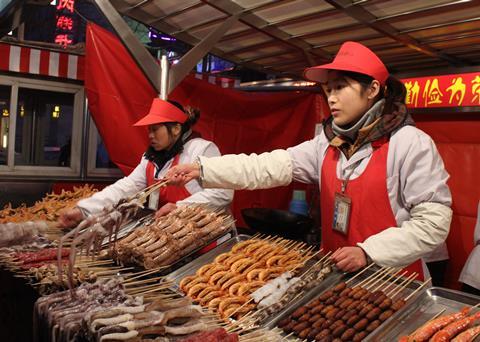
The 2015 edition contains new chapters on China and Indonesia, two countries that alone have accounted for nearly a quarter of global fish harvests this year. Asian economies are increasingly becoming the centre of fish production, consumption and trade.
“This is an area where countries have been making some progress, but much more remains to be done before all OECD fish stocks are fully recovered,” said Roger Martini, senior fisheries analyst at the OECD.
“The new Common Fisheries Policy of the European Union puts great emphasis on sustainability, and the United States has demonstrated that a strong, science-based approach can bring results.”
Economic growth in China has been driving an increase in consumption of fisheries products. Within the last 11 years the consumption per capita in China’s cities rose from 10.34kg to 14.62kg. According to the latest review, this now makes China the largest marine fisheries producer, the largest aquaculture producer and the largest net exporter of fish products.
Fish products are the most highly-traded of all food commodities, with more than 37% of all fish produced crossing a boarder at some point. The 31 countries and economies covered in the review are a diverse group but together account for nearly all of the global production and trade of fish products.
Despite the increase in China, fisheries production in OECD countries has declined by more than 39% since 1988. Last year marked the first year that aquaculture production became a bigger source of fish products for consumers than capture fisheries.