




Scientists at the Wellcome Sanger Institute have completed sequencing the brown trout reference genome, helping settle a longstanding debate over whether the fish is a single species, or several.
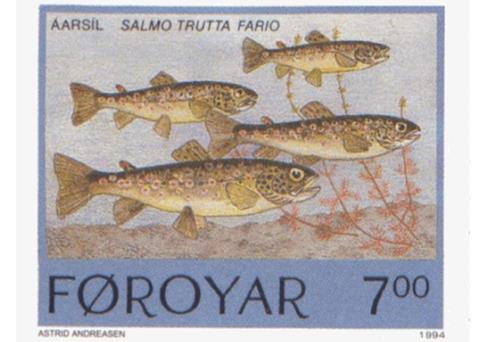
Brown trout (Salmo trutta) are one of the most genetically diverse vertebrates and taxonomists once classified the species as up to 50 distinct species. Different populations have adapted to exploit particular biological niches. The newly sequenced genome will help to explain these 'genetic superpowers', facilitating conservation efforts targeted at specific populations.
Professor Paolo Prodohl, of the School of Biological Sciences at Queen’s University Belfast, can now compare brown trout DNA he believes to be from distinct species against the reference genome. “The new brown trout reference genome is a game-changer for us – we’ll finally be able to settle the debate about how many species of brown trout there are. If you think in terms of conservation, if you're managing different species as one single species, it actually undermines what you’re trying to do. Because you cannot protect what you don't know exists,” he explained.
Owing to the genetic complexity of the brown trout, specimens with only one set of chromosomes were specially bred by Norway’s Institute of Marine Research. Scientists at Wellcome Sanger Institute in Cambridge then extracted DNA from these specimens and used PacBio SMRT Sequencing technology to generate the first, high-quality brown trout reference genome.
The brown trout is one of the 25 UK species to have been sequenced as part of the Sanger Institute’s 25th anniversary 25 Genomes Project. This project includes species such as grey and red squirrels, golden eagle, blackberry and robin and has laid the groundwork for the ambitious Darwin Tree of Life Project, which aims to sequence all 60,000 complex species in the UK.