


New licences threaten Senegal fisheries
Demand for licences from industrial fishing vessels, some with records of illegal fishing, will threaten Senegalese fisheries, food security and livelihoods, says the Environmental Justice Foundation (EJF).
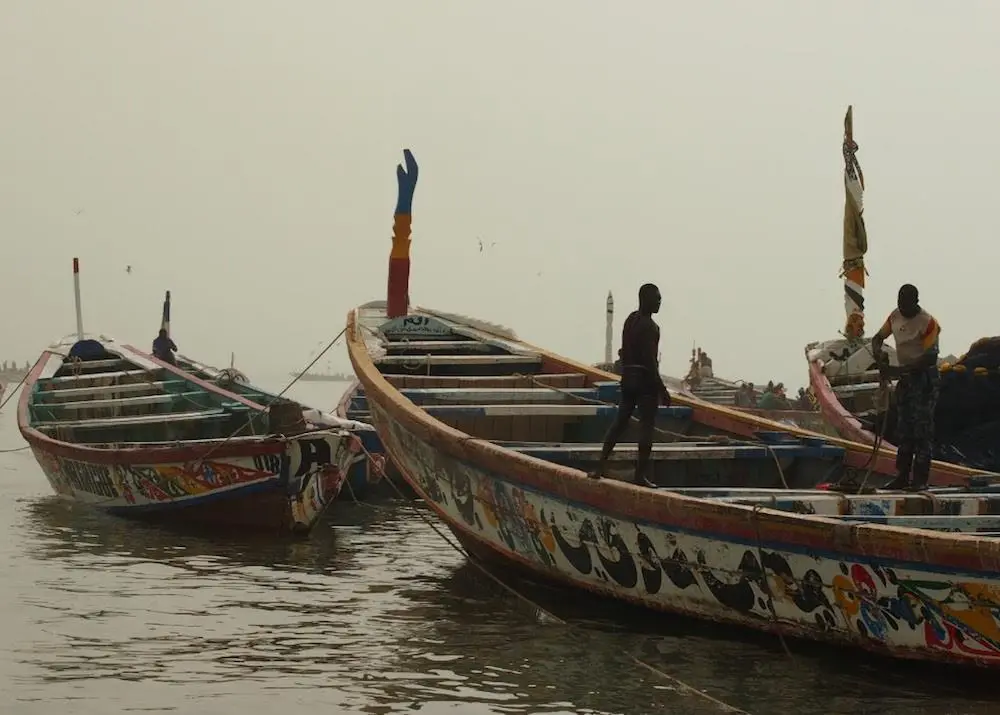
A total of 53 additional vessels have requested licences which, if granted, would swell the already over-capacity fleet by a third.
Key fish populations are already overfished and scientists have warned that catch volumes in the region should be reduced by at least 50%. Senegal’s small-scale fisher association, APRAPAM, and industrial shipowner association, GAIPES, have called for the government to decline the licences.
Illegal exploitation is a real risk in Senegal, says the EJF. Several of the 53 vessels have a record of illegal fishing and doubts are raised about the true ownership of these trawlers. APRAPAM and GAIPES allege that 52 of the vessels are Chinese-owned and whilst EJF has been unable to confirm this, it has confirmed that 90% of the Ghanaian trawl fleet is actually linked to Chinese ownership despite a ban on foreign ownership in this sector.
The situation is similar in Sengal, says the EJF and GAIPES, with the latter pointing to ‘shady contracts’ in its open letter to the Ministry of Fisheries.
“If the true owners are unknown, they are protected and can profit from illegal practices with low risk of detection,” said EJF director, Steve Trent. “It would be a grave error for Senegal to open its registry so that is becomes a haven for those seeking to profit from illegal fishing.”
Related Articles
 FISHERIES
 FISHERIES
 FISHERIES