






Labelling must be accurate or suppliers will suffer
Andrew Martin looks at how the horse meat scandal could impact on the seafood industry.
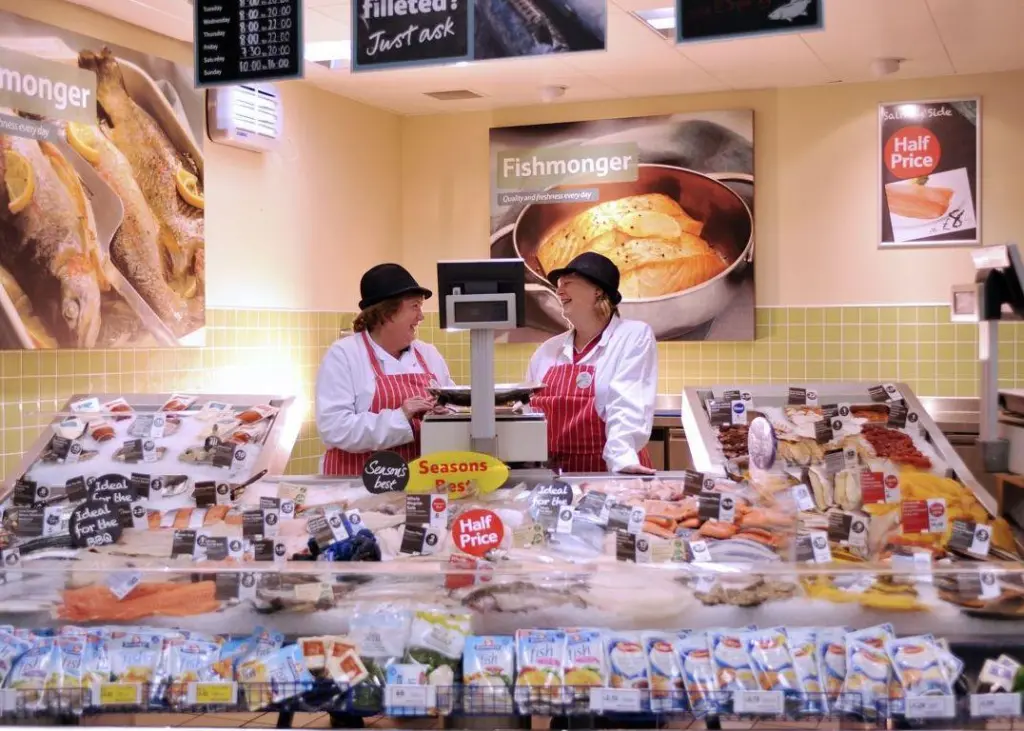
Just when it might be thought that fisheries would not be tainted by the scandal in the meat industry which dominated the media in Europe during February and March, Oceana, an American-based NGO, then reported widespread seafood fraud across the USA.
According to the environmental group, one out of every three fish it had tested in retail and outlets across the country was labelled incorrectly.
Venues selling sushi were the worst, mislabelling 74% of the fish they were selling, followed by other restaurants at 38% and then grocery stores at 18%. “Purchasing seafood has become the ultimate guessing game for US consumers,” said Beth Lowell, Oceana campaign director.
“Some of the fish substitutions we found are just disturbing,” said Dr Kimberly Warner, report author and Oceana senior scientist. “Apart from being cheated, many consumers are being denied the right to choose fish wisely based on health or conservations concerns.”
Unfortunately, trying to pass off an inexpensive species as one that could earn more money is not uncommon in the seafood industry. Pangasius was being sold as cod in British fish and chip outlets, for example. And by and large it seems to have become almost expected.
Repercussions
However, trying to pass horsemeat off as beef in products such as beef burgers, and ready meals like chilli con carne, spaghetti bolognese, shepherd’s pie etc, has had widespread repercussions. Tesco, Asda, Aldi, the Co-op and other major supermarket groups, plus big catering companies such as Sodexo and Whitbread have been forced to withdraw hundreds of beef labelled products might have had horsemeat added to them.
The blame game then started with these companies saying their suppliers were at fault. However, the buck stops with the final seller and customers have a right to expect that the labels of the products they buy accurately describe what they contain.
Otherwise, of course, they will vote with their feet and switch to buying something else to eat. And while fish sales might be expected to benefit, at least in the short term, if customers think that species being offered for sale are actually something else, then they will turn away from that as well and end up buying chicken instead.
Not surprisingly, the supermarkets and catering companies are now trying to reassure customers that they are, rather belatedly as it turns out, tightening up their traceability systems. This will include reducing needlessly complicated supply chains and, no doubt, introducing DNA testing.
If this happens for beef, and presumably for other meats as well, then all protein foods including fish and shellfish may well be included in time. And who will have to foot the bill for all this extra checking and testing? Eventually all or some of it will be passed on to the customer.
But Tesco is saying that it will do all it can to prevent this happening. In that case the cost would have to be met by the supplier. Fish is already regarded as being expensive so this would be the last thing the industry needs.
Related Articles
 PROCESSING & REFRIGERATION
 SEAFOOD
 SEAFOOD